In the beauty and skincare industry, many individuals grapple with a common yet perplexing issue: "why does my face itch after moisturizing?" Dr. Sarah Kim, a leading dermatologist with over a decade of experience, explains, "The ingredients in moisturizers can trigger sensitivities in some skin types." This insight sheds light on the nuances of skincare.
Moisturizers are meant to hydrate and protect the skin. However, for some people, they provoke irritation. It is essential to recognize that skin types vary significantly. Factors like an individual's unique skin barrier, allergies, and even the season can influence reactions. A rich, thick cream may not suit everyone.
Sometimes, the itching is subtle, yet it signals an underlying issue. Ingredients such as fragrances or certain preservatives can evoke unwanted reactions. A patch test could be beneficial. Reflecting on personal skincare routines is crucial. Adjusting product choices might require patience and experimentation to find what truly works.
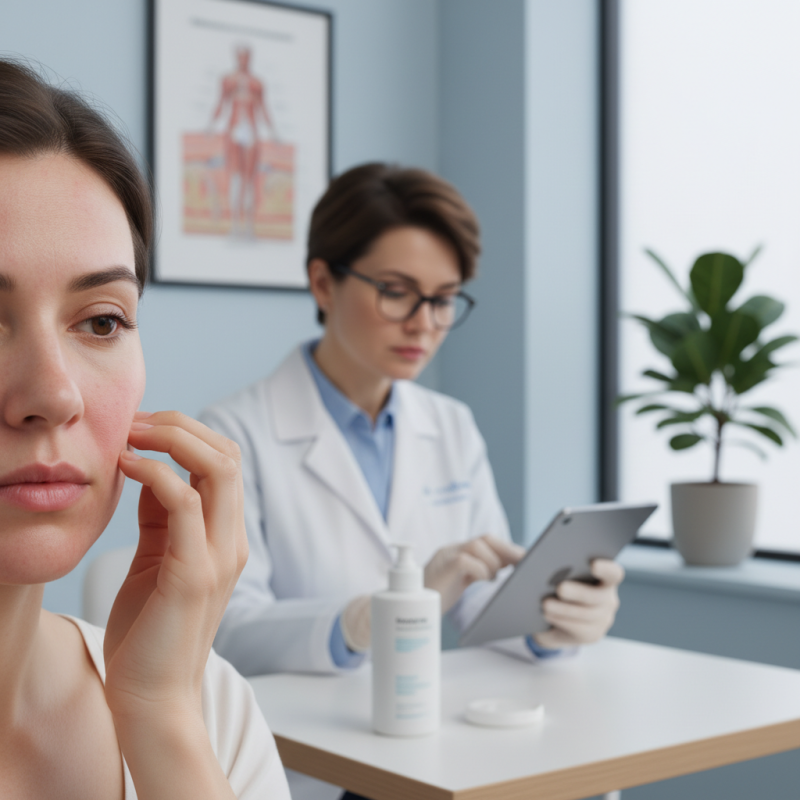
Understanding Facial Itching After Moisturizing
Facial itching after moisturizing can be frustrating. This sensation often surfaces due to various factors. One common reason is a reaction to ingredients in the moisturizer.
Fragrance, alcohol, and preservatives are notorious for causing irritation. Sensitive skin may react even to gentle formulations.
Another aspect to consider is the skin barrier. If the barrier is compromised, moisturizing can sometimes worsen the irritation. A weak barrier allows allergens and irritants to penetrate more easily. This can lead to a cycle of itching and inflammation, making it hard to find effective solutions.
Additionally, applying too much product can contribute to itchiness. Over-moisturizing can suffocate the skin, leading to discomfort. It's essential to pay attention to how different products interact with your skin.
Consulting a dermatologist can help identify underlying issues. Our skin is complex, and sometimes it requires trial and error to find the right balance.
Common Ingredients That May Cause Irritation
When you moisturize your face, irritation can arise from certain ingredients. This is a common issue for many people. Understanding why your skin itches can help you choose the right products.
Common culprits include fragrances and preservatives. These can cause reactions, even in small amounts. Fragrances are often used to enhance scents, but they can irritate sensitive skin. Preservatives like parabens can trigger an allergic response. Even natural ingredients, such as essential oils, can be problematic. They may contain compounds that irritate some people's skin.
Another potential irritant is alcohol. Many moisturizers contain alcohol for quick absorption. However, it can be a drying agent. This can lead to compromised skin barriers, resulting in itching. If you notice irritation, consider patch testing new products. Reflecting on your ingredients can lead to better skincare choices.
Environmental Factors Influencing Skin Reactions
Environmental factors can significantly influence our skin reactions, especially after applying moisturizer. In urban settings, pollutants in the air may trigger irritation. These microscopic particles can settle on your skin. When combined with certain moisturizers, they create a reaction that causes itchiness. The skin barrier may struggle to protect itself, leading to discomfort.
Humidity levels play a crucial role, too. High humidity can cause the skin to become overly oily. In contrast, dry air might strip away natural oils, leaving the skin vulnerable. When you apply moisturizer in such conditions, your skin may react unpredictably. You might notice redness or slight swelling.
Additionally, seasonal changes impact our skin’s sensitivity. In winter, cold weather can lead to dry, itchy skin. If you switch to a heavier moisturizer during this time, it might not absorb well. Reflections on your routine are essential. Consider adjusting your products based on ever-changing environmental conditions. Observing how your skin responds is key to understanding its needs.
Environmental Factors Influencing Skin Reactions After Moisturizing
Identifying Skin Types and Their Reactions to Moisturizers
Identifying your skin type is crucial when choosing a moisturizer. Oily skin may react differently than dry skin. If your face itches after applying a moisturizer, it could be due to mismatched products. Oily skin often produces excess sebum, leading to clogged pores. You might find that thicker creams aggravate this condition, causing irritation.
Dry skin can also be sensitive. A moisturizer containing heavy fragrances may yield a burning sensation. Ingredients like alcohol can further strip the skin of its natural oils. For combination skin, identifying the right balance is key. Certain areas may respond negatively to specific ingredients, prompting an itchy response.
Knowing your skin type helps in product selection. Each type has unique needs. It’s important to test moisturizers in small amounts first. Keep a record of any reactions. This careful approach reduces irritation. Sometimes, it takes trial and error to find the ideal match for your skin. Don't be discouraged by setbacks; they provide valuable insight into your skin's preferences.
Why Does My Face Itch After Moisturizing in 2026? - Identifying Skin Types and Their Reactions to Moisturizers
| Skin Type |
Moisturizer Reaction |
Possible Causes |
Recommended Actions |
| Dry Skin |
Itchy after application |
Lack of hydration or unsuitable ingredients |
Try thicker creams or oil-based moisturizers |
| Oily Skin |
Mild itch and irritation |
Overproduction of sebum; comedogenic products |
Use non-comedogenic, lightweight moisturizers |
| Sensitive Skin |
Intense itching and redness |
Allergic reactions to ingredients |
Opt for fragrance-free, hypoallergenic products |
| Combination Skin |
Localized itchiness |
Different reactions in diverse areas of skin |
Use tailored moisturizers for different zones |
Solutions and Alternatives for Irritated Skin After Moisturizing
Experiencing itching after moisturizing can be frustrating. Many people report this issue, which might stem from several causes. For instance, skin irritation often occurs due to specific ingredients in moisturizers. According to a study from the Journal of Dermatological Treatment, over 30% of users experienced adverse reactions after using certain products.
To alleviate this condition, consider switching to fragrance-free and hypoallergenic formulations. These options often contain fewer irritants. It's essential to patch test new products before applying them to your face. Apply a small amount on your wrist and observe for any reactions over 24 hours.
Tips: Always read ingredient labels. Avoid products with alcohol, parabens, or synthetic fragrances. Additionally, try using a moisturizer containing ceramides. They help restore the skin barrier without irritation.
If itching persists, explore alternatives like natural oils. Oils such as jojoba or almond provide hydration with less potential for irritation. However, they are not suitable for everyone. Monitor your skin’s response closely. Remember, individual skin sensitivities vary. Consulting with a dermatologist can guide you toward the right solutions for your skin type.
FAQS
: Pollutants and humidity levels significantly impact skin reactions, especially after using moisturizers.
High humidity can make skin oily, while dry air can strip natural oils, causing unpredictable reactions.
Different skin types react uniquely to moisturizers, affecting product selection and potential irritation.
Itching could be due to ingredient mismatches, like heavy fragrances or alcohol.
Switch to fragrance-free, hypoallergenic products and patch test new moisturizers before full use.
Look for ceramide-based moisturizers, as they help restore the skin barrier effectively.
Natural oils, like jojoba or almond oil, may provide hydration with lower irritation risks.
Apply a small amount on your wrist and observe for reactions over 24 hours.
Cold winter weather can lead to dryness, while switching moisturizers carelessly can aggravate sensitivity.
Consult a dermatologist for personalized advice, as individual skin sensitivities vary significantly.
Conclusion
In "Why Does My Face Itch After Moisturizing in 2026?" the article delves into the reasons behind facial itching that can occur post-moisturization. It begins by exploring the various ingredients commonly found in moisturizers that may lead to irritation, such as fragrances and certain alcohols. Environmental factors, such as changes in humidity and temperature, are also discussed as potential triggers for skin reactions.
The article emphasizes the importance of identifying one’s skin type, as different skin types react differently to moisturizers. For those experiencing discomfort, the article suggests various solutions and alternatives that can help soothe irritated skin after moisturizing. By understanding the underlying causes, readers can better manage their skin's response and answer the question, "why does my face itch after moisturizing?

 Menuka Medical