Hormonal acne can be frustrating and persistent. Many people struggle with breakouts that seem to appear out of nowhere. Understanding how to get rid of hormonal acne fast can significantly improve your confidence and skin clarity.
Acne caused by hormonal changes often affects adults and teens alike. It can result from stress, diet, or hormonal fluctuations during your menstrual cycle. Knowing the effective strategies available can help you regain control. Over-the-counter treatments or lifestyle changes may offer quick relief. However, individual results can vary, and finding the right approach might take time.
Many seek quick fixes without realizing the importance of consistency. While immediate solutions are appealing, sustainable results require patience and commitment. It’s not uncommon to feel discouraged along the way. Individual skin types react differently, and what works for one person may not work for another. Embracing the struggle can lead to discovering tailored solutions that truly work for you.
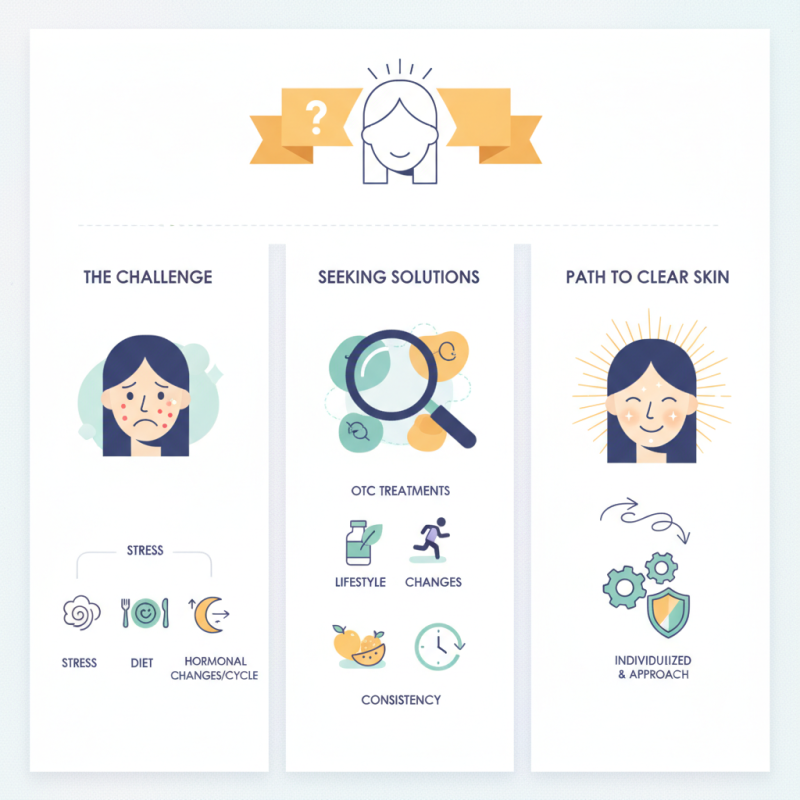
Hormonal acne is a common skin condition that affects many people, especially during puberty, menstruation, and pregnancy. Understanding its causes can help you manage and treat it effectively. Hormonal fluctuations lead to increased oil production. This excess oil can clog pores, causing acne breakouts. Research shows that nearly 50% of women in their 20s and 30s suffer from hormonal acne.
Managing stress is key. Stress triggers cortisol production, which can worsen hormonal imbalances and acne. A study published in "The Journal of Investigative Dermatology" reveals that stress can increase oil gland activity. Practice relaxation techniques like yoga or meditation to help combat stress effects on your skin.
Diet also plays a role. High-glycemic foods can increase insulin levels, leading to more oil production and acne. Be mindful of your diet. Try incorporating more whole foods and vegetables. Hydration is vital too. Drinking plenty of water can help keep your skin clear and healthy. Remember, while hormones are a significant factor, lifestyle changes can make a substantial difference in managing hormonal acne.
Hormonal acne can be a frustrating condition. Understanding effective treatments is crucial for managing breakouts. A recent study highlighted that 50% of women experience hormonal acne at some point in their lives. This statistic emphasizes the need for practical solutions.
Topical treatments like retinoids are effective for many. They help unclog pores and reduce inflammation. However, consistency is key. It can take weeks to see noticeable results. A report from the American Academy of Dermatology indicates that about 30% of users discontinue treatment due to lack of immediate results. This highlights a need for patience and commitment.
Lifestyle changes can also play a role. Proper hydration and a balanced diet may improve skin health. Some studies show that a low-glycemic diet can reduce acne flare-ups. However, results vary from person to person. It’s essential to recognize that not every treatment works for everyone. Consulting with a dermatologist is vital for personalized advice. Each journey to clear skin is unique and may require adjustments along the way.
Hormonal acne can be frustrating. Lifestyle changes can make a significant difference. Simple adjustments in daily habits often lead to clearer skin.
Diet plays a crucial role. Eating more fruits and vegetables provides essential nutrients. Reducing sugar and dairy may help. This isn’t easy; cravings can be strong. Focus on whole foods and plan meals ahead to stay on track.
Sleep is vital for skin health. Aim for at least seven hours each night. Inadequate sleep increases stress, which can trigger acne. Create a calming nighttime routine. Limit screen time before bed to improve sleep quality.
Stress management techniques are essential. Yoga and meditation can reduce overall stress. Even a short daily walk can improve mood. It’s worth exploring what works best for you. Remember, progress may be slow. Be patient with your journey to clearer skin.
| Lifestyle Change | Description | Expected Benefit | Timeframe for Results |
|---|---|---|---|
| Balanced Diet | Incorporating whole foods, lean proteins, and healthy fats. | Reduces inflammation and hormone fluctuations. | 2-4 weeks |
| Regular Exercise | Engaging in physical activities like walking, running, or yoga. | Improves circulation and hormone balance. | 2-6 weeks |
| Stress Management | Practicing mindfulness, meditation, or deep breathing exercises. | Lowers cortisol levels which can trigger acne. | Immediate effects, noticeable in weeks |
| Adequate Sleep | Getting 7-9 hours of quality sleep per night. | Improves skin repair and reduces breakouts. | 1-2 weeks |
| Hydration | Drinking plenty of water throughout the day. | Keeps skin hydrated and may reduce oiliness. | Immediate effects |
Hormonal acne can be a challenging issue for many. Understanding an effective skincare routine can make a significant difference. Focus on gentle cleansing to start. Use a mild cleanser twice daily. This helps remove excess oil without stripping your skin. Avoid harsh scrubs; they can worsen irritation.
Incorporate ingredients that balance hormones. Look for products with salicylic acid or benzoyl peroxide. These help unclog pores and reduce breakouts. Regular exfoliation is also essential. Consider using a chemical exfoliant once a week. This can aid in removing dead skin cells and prevent future flare-ups.
Don't forget hydration; it is key. Use a lightweight, non-comedogenic moisturizer. Keeping your skin hydrated can help regulate oil production. Lastly, pay attention to lifestyle factors. Diet, stress, and sleep impact hormonal balance. Reflect on your habits. Small changes can lead to noticeable improvements over time.
Hormonal acne can be a frustrating experience. Many people face this challenge, feeling overwhelmed and uncertain about the next steps. Recognizing when to seek professional help is crucial. If acne persists despite over-the-counter treatments, it may be time to consult a dermatologist. Professional guidance can lead to effective solutions tailored to individual skin types and underlying causes.
Additionally, severe cases of hormonal acne can leave lasting scars or emotional distress. If you notice frequent breakouts, increased sensitivity, or pain, professional intervention could provide relief. A dermatologist can assess your situation, offering treatments that can include medications and lifestyle recommendations. This expertise not only addresses the physical aspects but also helps in building confidence and well-being.
Moreover, if changes in your menstrual cycle coincide with flare-ups, professional advice is essential. It’s important to understand your body and its signals. Ignoring these signs may lead to worsening conditions. Engaging with a healthcare professional can facilitate a deeper understanding of the hormonal factors at play. Embracing this step can instigate the path toward clearer skin and personal empowerment.
This bar chart illustrates the severity of hormonal acne on a scale from 1 to 10 before and after various treatment durations. As indicated, there is a significant decrease in acne severity from the start of treatment to six months later, demonstrating the effectiveness of timely intervention and professional help.
: Hormonal acne is a common skin condition caused by hormonal fluctuations. It often occurs during puberty, menstruation, and pregnancy.
Stress triggers cortisol production, worsening hormonal imbalances. This can increase oil gland activity, leading to more breakouts.
Eating more fruits and vegetables is beneficial. Reducing sugar and dairy may also help, though cravings can be challenging.
Drinking plenty of water is vital for clear skin. It helps maintain skin hydration and promotes overall health.
Aim for at least seven hours of sleep each night. Poor sleep can increase stress, impacting skin health negatively.
Techniques like yoga and meditation can significantly reduce stress. Even daily walks can improve mood and overall skin condition.
Yes, small adjustments in daily habits can lead to clearer skin. Be patient; progress may take time.
Not necessarily. Cravings can be strong. Planning meals ahead can help stay on track with healthier choices.
Inadequate sleep increases stress levels, which can trigger acne. A calming nighttime routine may be helpful.
Hormonal acne can be frustrating but is common. Understanding its causes can help manage and reduce breakouts.
Hormonal acne is a common skin issue caused by fluctuations in hormones, often occurring during puberty, menstrual cycles, or hormonal imbalances. Understanding the underlying causes is crucial in addressing this condition effectively. To learn how to get rid of hormonal acne fast, individuals should identify a range of effective treatments, which may include topical treatments, medications, and natural remedies tailored to their specific needs.
In addition to treatments, lifestyle changes play a significant role in preventing hormonal acne outbreaks. Maintaining a balanced diet, managing stress, and ensuring proper hydration can help maintain skin health. Implementing a consistent skincare routine that focuses on gentle cleansing and moisturizing is also essential in reducing the severity of hormonal acne. For persistent or severe cases, seeking professional help is advisable to explore advanced treatment options and personalized care. By addressing both the symptoms and triggers of hormonal acne, individuals can work towards clearer skin more efficiently.

Menuka Medical