A healthy skin barrier is vital for maintaining overall skin health. It protects against environmental stressors and retains moisture. However, various factors can compromise it. Issues like harsh weather, pollution, and certain skincare products can lead to a damaged skin barrier. Understanding how to repair a damaged skin barrier effectively is essential for restoring skin's integrity.
Repairing a damaged skin barrier requires patience and knowledge. The journey involves choosing suitable products and adjusting daily routines. Simple changes can make a significant difference. For example, incorporating gentle cleansers and hydrating ingredients can help the skin recover. Often, people overlook the significance of consistent skincare routines. It’s crucial to listen to your skin and recognize when it needs extra care.
Many might feel overwhelmed by conflicting advice and abundant products. It’s important to seek professional guidance when necessary. Taking the time to understand individual skin needs is key. Repairing the skin barrier is not just about products; it’s about overall health and wellness. Embracing a holistic approach ensures a truly effective recovery.
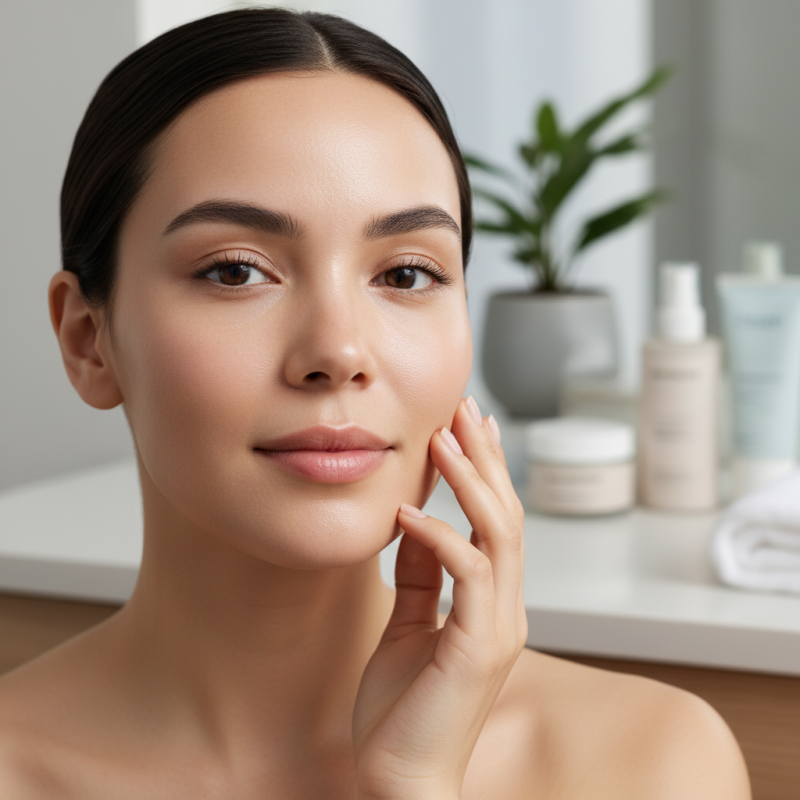
The skin barrier is essential for overall skin health. It consists of lipids, proteins, and cells that protect deeper layers. This barrier prevents moisture loss and keeps harmful substances at bay. A well-functioning skin barrier aids in maintaining hydration levels. It also plays a vital role in immune response and skin's resilience.
When the skin barrier is damaged, it can lead to dryness, irritation, and redness. Many factors contribute to this damage, such as harsh skincare products, environmental stressors, and underlying health issues. People often overlook how daily habits affect their skin barrier. For instance, frequent exfoliation can strip natural oils. This can leave your skin feeling sensitive and raw.
Understanding the structure of the skin barrier is crucial. Even seemingly minor changes in routine can disrupt its integrity. Regular hydration and nourishment foster a healthier barrier. It’s a slow process, and results may vary. Reflection on your daily routine can help identify what to improve. Adjusting your diet and skincare choices may take time, but the benefits are worth pursuing.
| Dimension | Description | Recommended Action |
|---|---|---|
| Structure | The skin barrier consists of the outermost layer of skin (stratum corneum) that prevents moisture loss and protects against external irritants. | Use gentle, hydrating cleansers. |
| Functions | Maintains hydration, protects against pathogens, and regulates temperature. | Incorporate moisturizers with ceramides and fatty acids. |
| Signs of Damage | Flaky skin, increased sensitivity, redness, and dryness are common indicators of a weakened barrier. | Avoid harsh products and environmental stressors. |
| Repair Methods | Using barrier-repairing ingredients like hyaluronic acid, niacinamide, and squalane can aid in restoration. | Consider dermatological treatments for severe cases. |
| Lifestyle Factors | Diet, hydration, and sun protection play significant roles in skin barrier health. | Maintain a balanced diet rich in vitamins and antioxidants. |
: Essential ingredients include ceramides, hyaluronic acid, and niacinamide. These promote moisture retention and improve skin texture.
Ceramides maintain moisture levels and skin elasticity. They can significantly reduce water loss over time.
Hyaluronic acid holds 1,000 times its weight in water, helping to hydrate and plump the skin effectively.
Niacinamide strengthens the skin barrier, reduces redness, and enhances overall skin elasticity for a smoother appearance.
Start with gentle cleansers, use ceramide and fatty acid moisturizers, and consider occlusive agents for moisture retention.
Look for signs like dryness, redness, or sensitivity. Regular assessments can help identify potentially irritating products.
Conduct weekly skin checks to monitor texture, hydration, and any reactions you may experience.
Yes, they minimize irritation, especially for sensitive skin. It's best to select these for optimal care.
Maintain a skin diary. Note any product reactions and changes in skin condition to guide your routine.
Yes, setbacks are common. Reflection on your routine can help you make necessary adjustments for improvement.
The article "How to Repair a Damaged Skin Barrier Effectively?" delves into the essential understanding of the skin barrier, highlighting its intricate structure and vital functions in maintaining overall skin health. It outlines common causes of skin barrier damage, which can arise from both external factors, such as environmental stressors and harsh skincare products, as well as internal factors like hormonal changes and dietary habits.
To address how to repair a damaged skin barrier, the article emphasizes effective ingredients that can support the repair process, detailing the benefits of key components such as ceramides, fatty acids, and antioxidants. Practical steps for restoring skin barrier integrity are provided, including daily routine guidelines that prioritize gentle cleansing and moisturization. Furthermore, the article underscores the importance of monitoring and maintaining skin barrier health through best practices and regular assessments, ensuring long-term efficacy in skin care.

 Menuka Medical