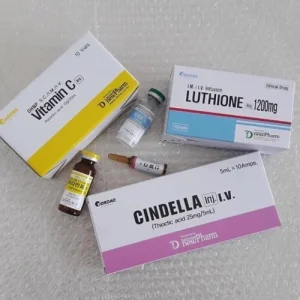
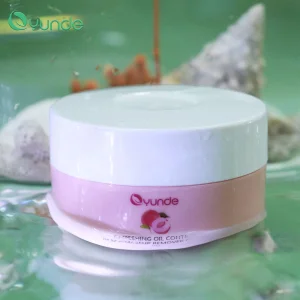
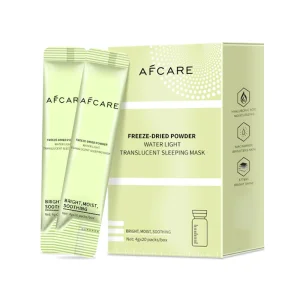
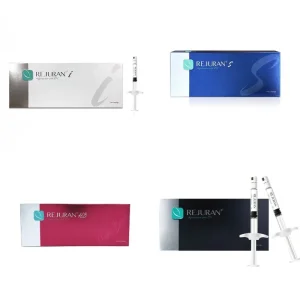
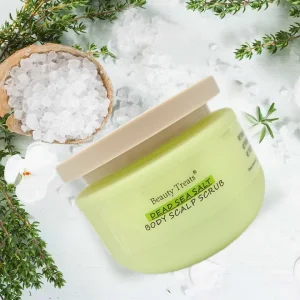
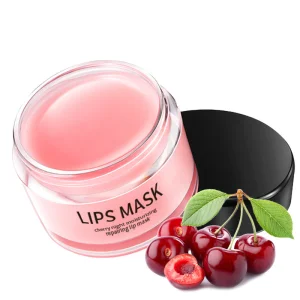
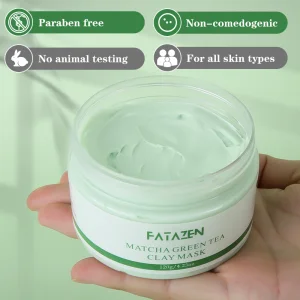
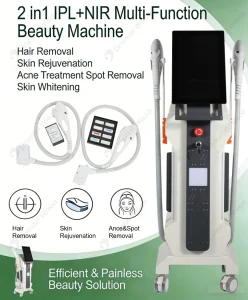
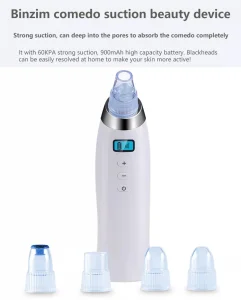
Innovative medical-grade devices, skin-barrier treatments, and high-performance skin formulations.
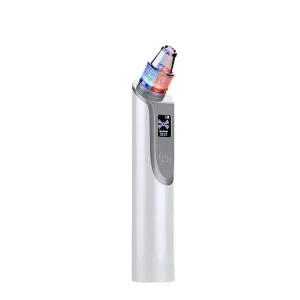
The global cosmetic and dermatological industries are witnessing a foundational paradigm shift: the skinification of hair. Consumers and medical professionals no longer treat hair health purely as a surface fiber concern. Instead, the focus has shifted downstream to the micro-environment of the follicular unit. Scientific consensus validates that a healthy, balanced scalp microbiome and microcirculation are vital prerequisites for hair density, resilience, and growth.
The primary biological objective of scalp exfoliation is to clear the accumulation of cellular debris, calcified sebum, and airborne particulates from the infundibulum (the upper portion of the hair follicle). Without systematic keratolytic intervention, these accumulations form a dense layer that triggers localized micro-inflammation, leading to conditions like seborrheic dermatitis, dandruff, and subsequent telogen effluvium (premature shedding). Consequently, leading medical brands worldwide are expanding their portfolios to include targeted scalp pre-treatments, chemical peeling serums, and mechanical detoxifying exfoliators.
From an industrial procurement standpoint, the supply chain for scalp exfoliation formulations has become highly specialized. Unlike standard body scrubs or facial peels, scalp formulations must navigate the unique physiology of the hair follicle. This requires a balanced viscosity that can bypass the dense hair shaft barrier, carry active ingredients directly to the follicular openings, and rinse away cleanly without leaving residues that could foster microbial growth.
Currently, B2B procurement managers categorize manufacturing partners based on their research capabilities. High-tier contract manufacturers provide comprehensive OEM/ODM solutions, offering state-of-the-art chemical peeling agents (such as PHAs, AHAs, and micro-dosed BHAs) combined with mechanical exfoliants like biodegradable jojoba esters, high-purity silica, or upcycled botanical powders. Choosing a manufacturer requires evaluating their clinical testing protocols, their raw ingredient sourcing standards, and their regulatory compliance across key markets like North America, the European Union, and the Asia-Pacific region.
Founded in 2009, Jiangsu Menuka Medical Co., Ltd. is a leading innovator in the field of medical skincare and dermatological solutions. As a modern enterprise integrating R&D, intelligent manufacturing, clinical application, and global distribution, Menuka Medical is dedicated to advancing the future of professional skincare through science, safety, and innovation.
With years of expertise in dermatology and post-procedure skincare, Menuka Medical continuously develops advanced formulations and functional skincare products supported by patented technologies, clinical validation, and strict quality standards. Our products are specially designed to address sensitive skin conditions, aesthetic recovery, and professional dermatological care.
Today, Menuka Medical has established long-term partnerships with distributors, medical institutions, and skincare professionals across more than 15 countries and regions worldwide. We continue to seek experienced and visionary global partners to expand our international network and bring advanced skincare solutions to broader markets.

At Menuka Medical, we believe skincare is more than a daily routine — it is a professional solution that enhances skin health, confidence, and quality of life.
More than 10,000 hospitals, clinics, and professional skincare institutions worldwide trust Menuka Medical for advanced dermatological skincare solutions. Our commitment to innovation, product quality, and customer satisfaction has earned us strong recognition in both domestic and international markets.
By closely following global skincare trends and continuously investing in research and development, Menuka Medical remains at the forefront of medical skincare innovation.
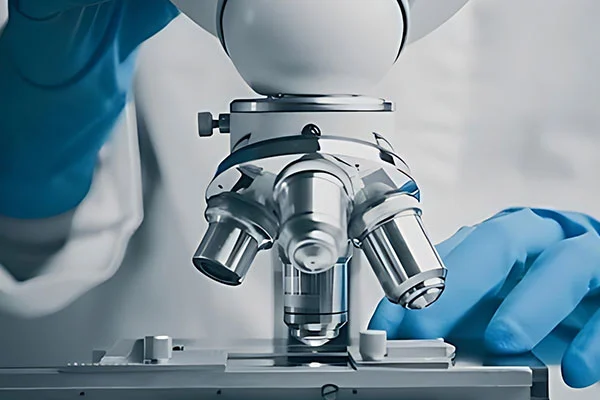
As we continue expanding our global presence, Jiangsu Menuka Medical Co., Ltd. welcomes distributors, medical partners, and skincare professionals worldwide to collaborate with us.
Together, we are shaping the future of dermatology skincare through science, innovation, and professional excellence. Our scalp care line leverages the same rigorous medical standards applied to our clinical facial solutions, providing a seamless crossover to high-demand trichological care.
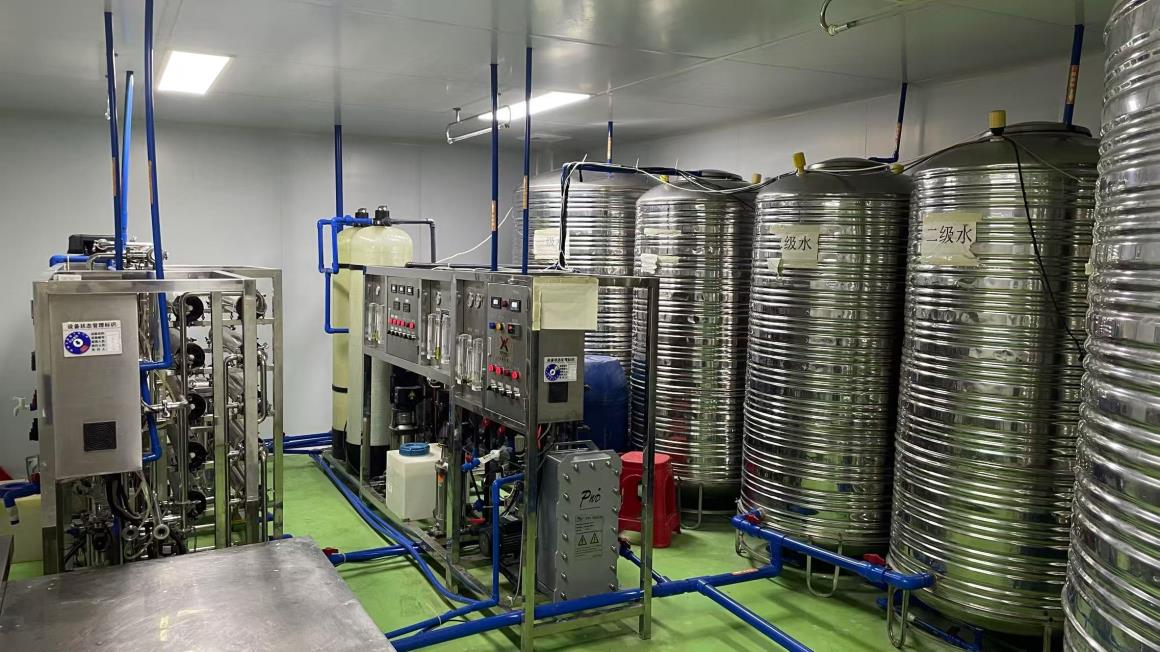
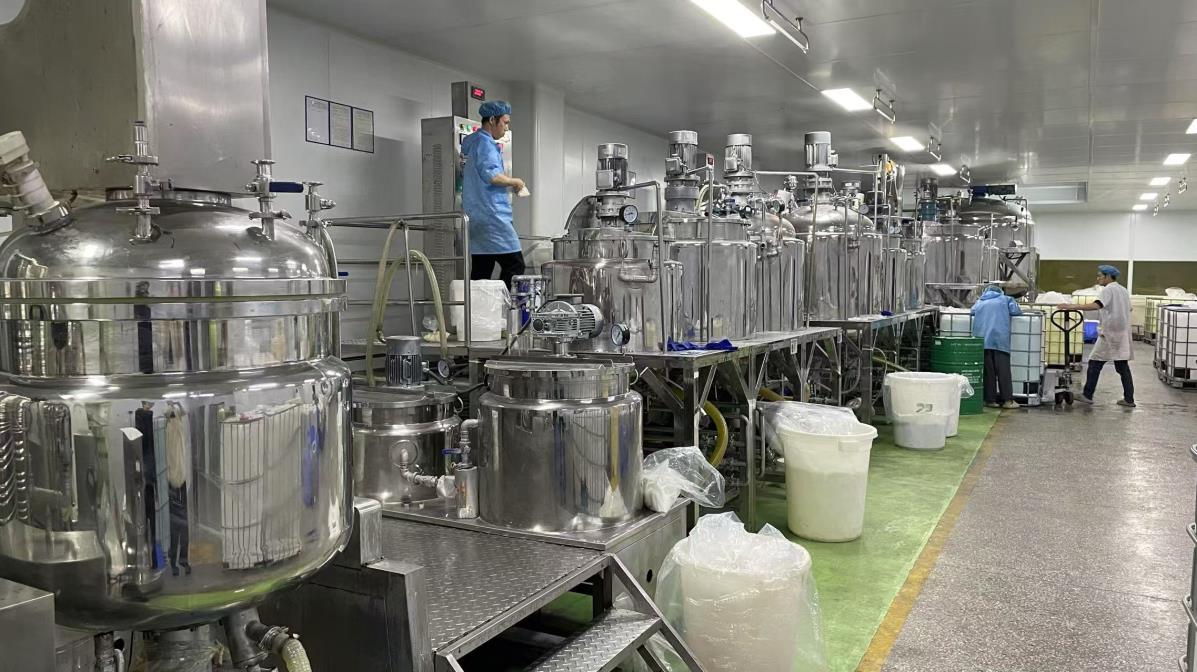
An inside look at our CGMP-certified, state-of-the-art production steps and machinery for supreme safety, purity, and formulation stability.
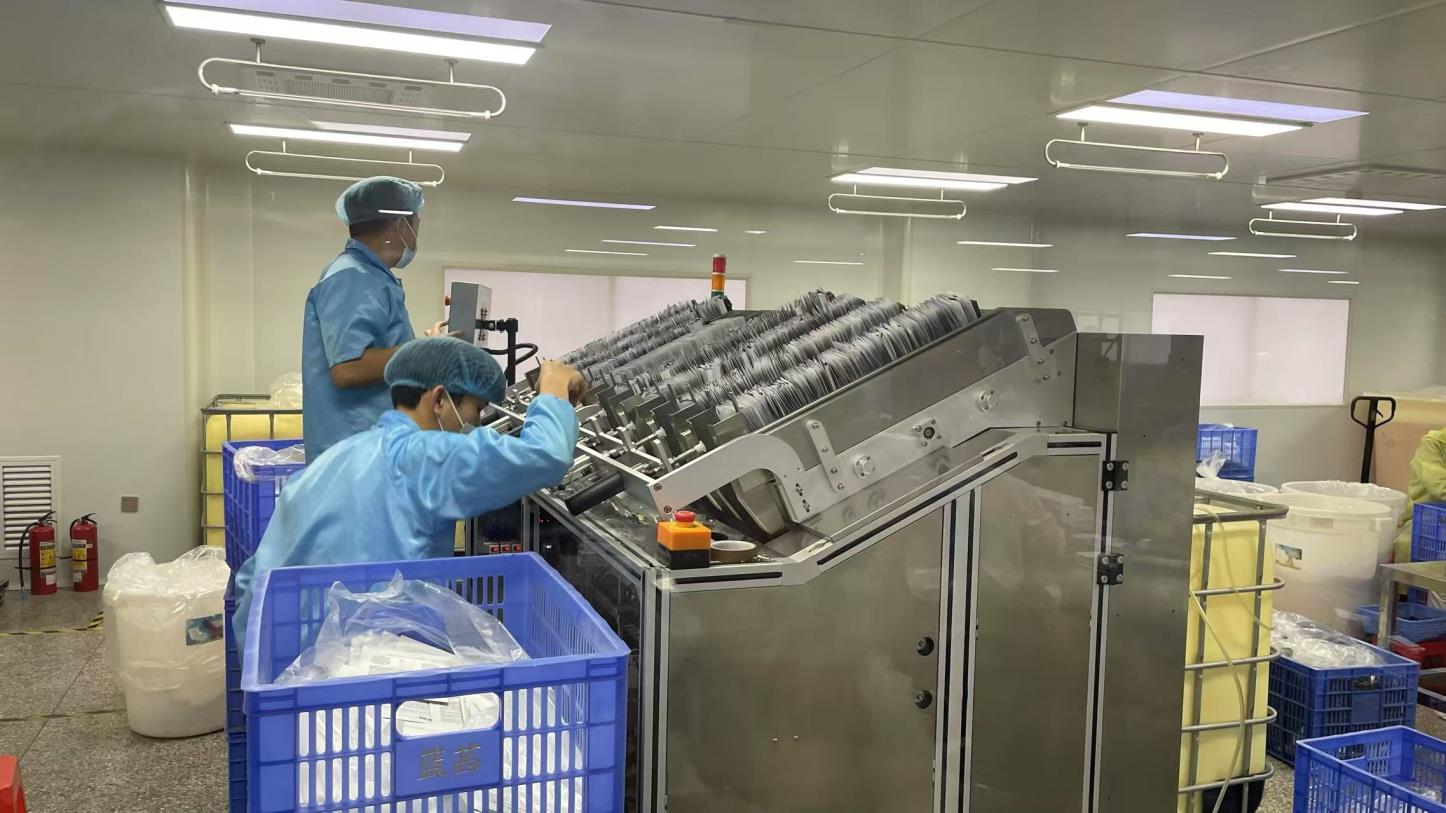
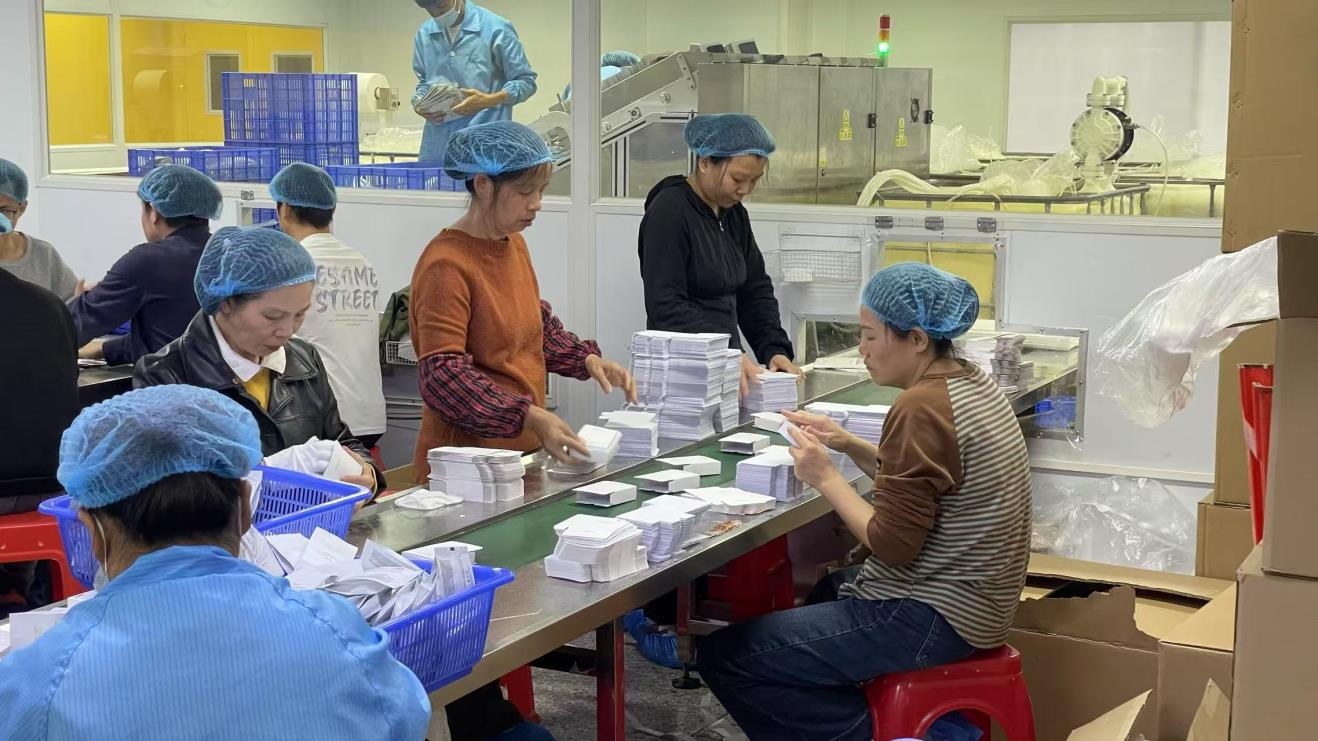
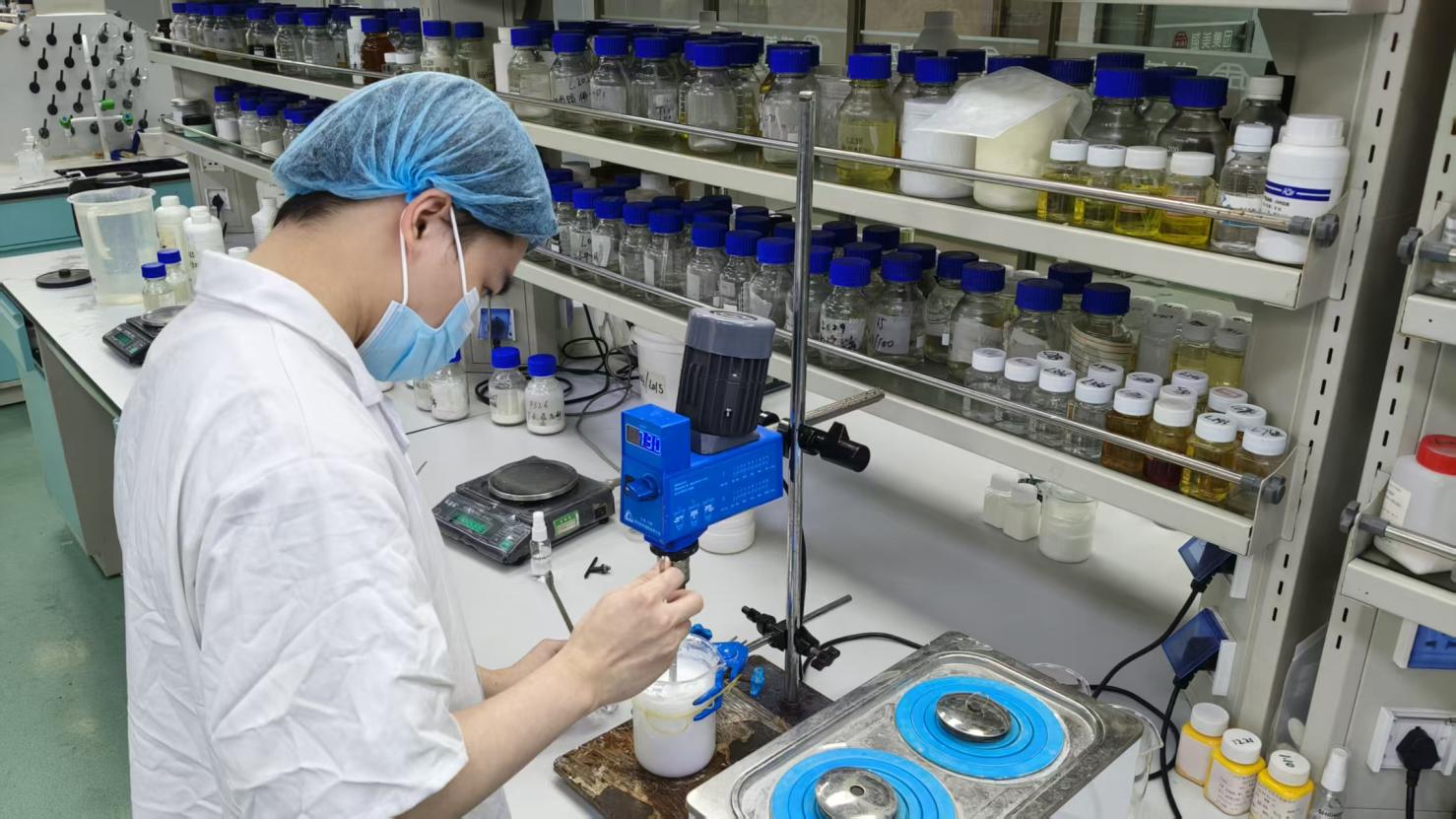
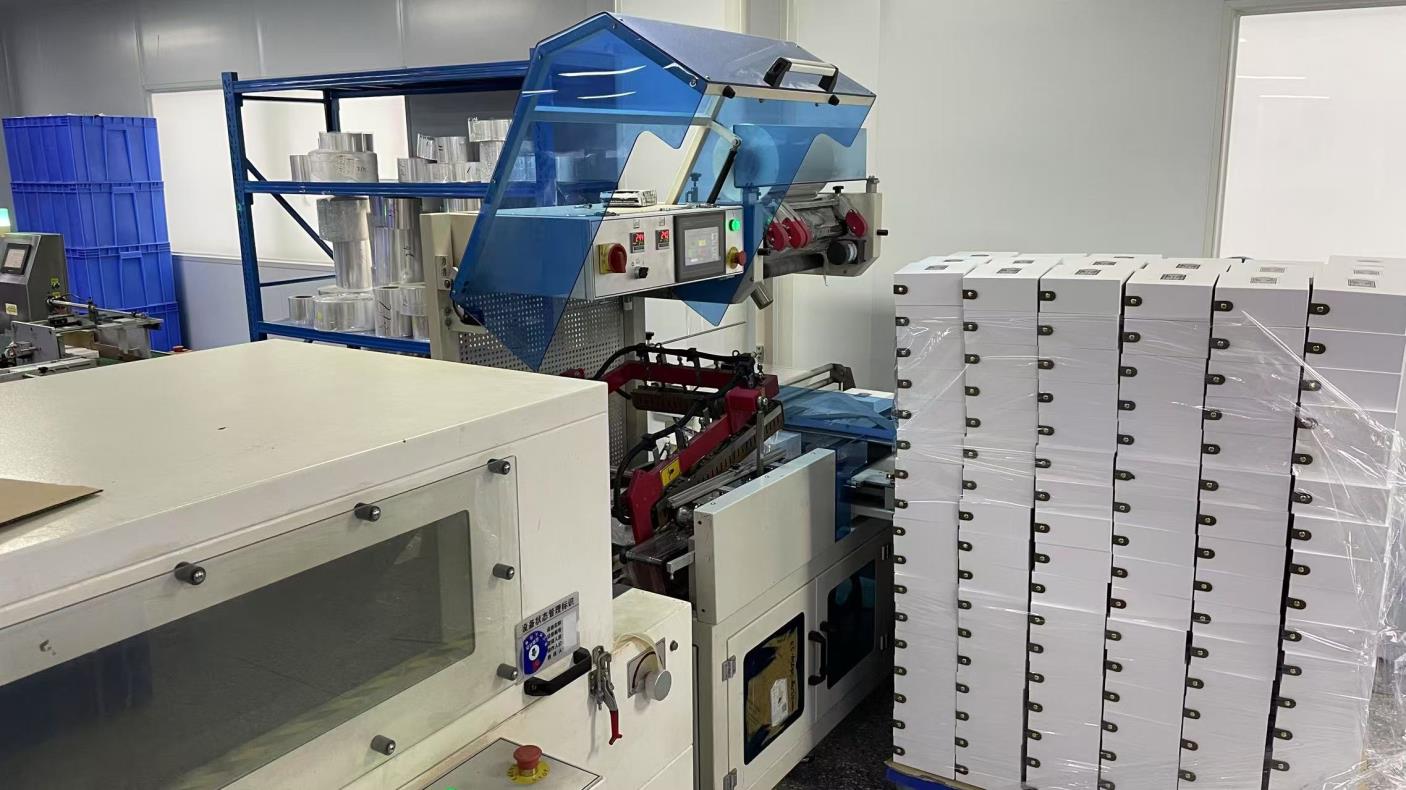
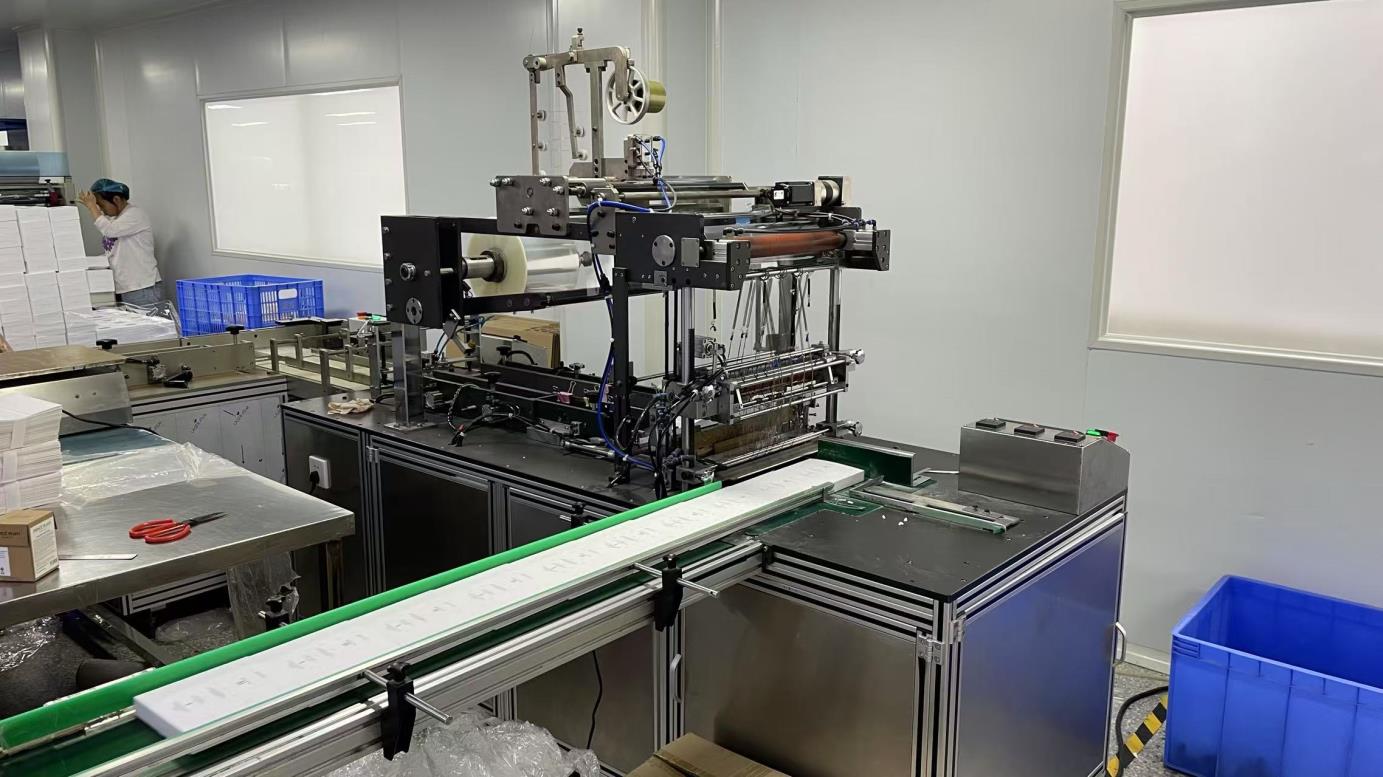
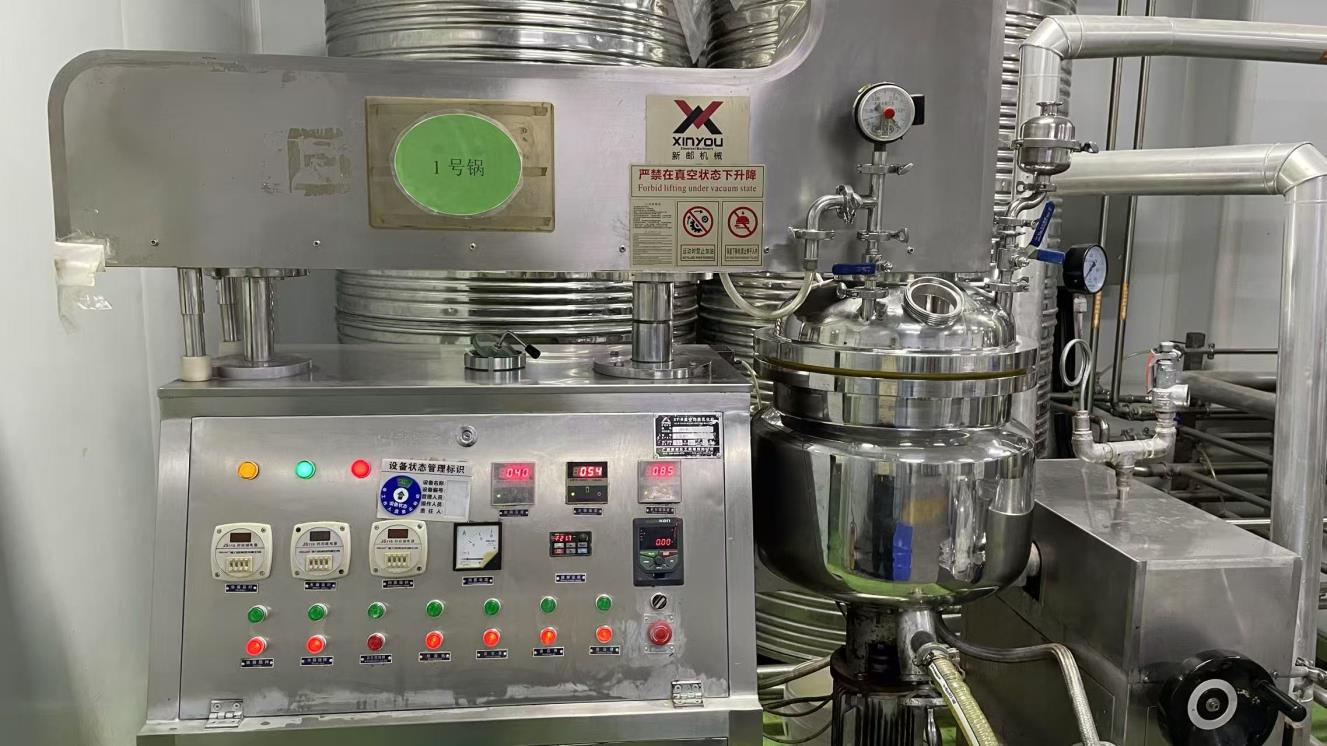
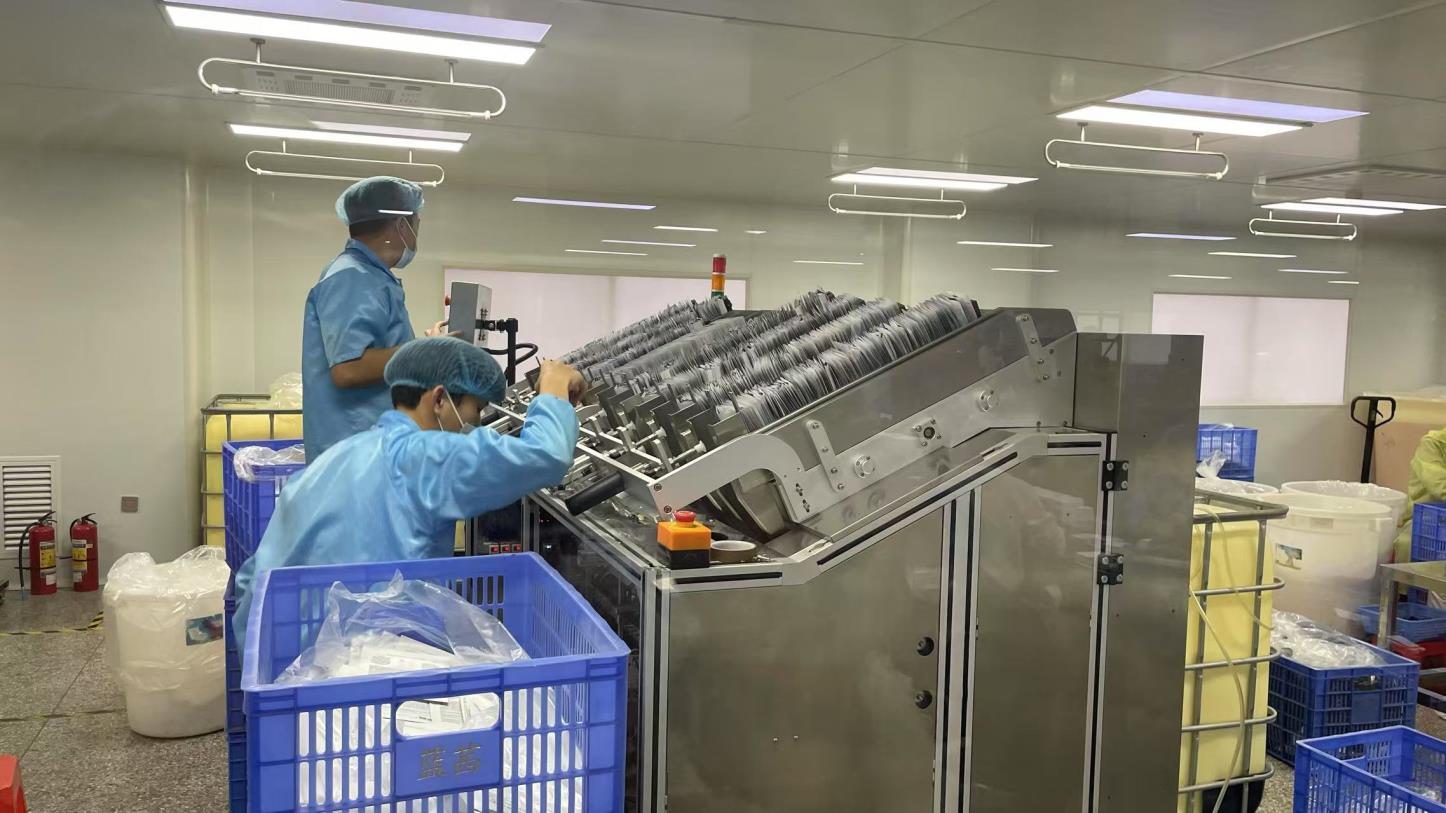
Scalp physiological profiles show clear geographical and genetic differences, requiring customized B2B formulations. A scalp exfoliation product designed for high-humidity urban environments in Southeast Asia must perform differently from one formulated for dry, cold climates in Northern Europe or North America.
In areas characterized by high relative humidity and particulate pollution, the scalp is highly susceptible to sebum oxidation and Malassezia fungal colonization. Formulations for these markets prioritize oil regulation and deep pore detoxification. They incorporate high-purity oil-soluble salicylic acid (BHA) to break down lipophilic bonds, combined with zinc PCA and botanical extracts to regulate oil production and prevent pore clogging.
In colder, dry climates, the scalp's barrier function is frequently compromised, causing flaking and itching that can easily be misdiagnosed as standard oily dandruff. For these demographics, mechanical abrasives are minimized. Instead, manufacturers utilize mild, hydrating chemical exfoliants like polyhydroxy acids (Gluconolactone and Lactobionic Acid). These larger-molecule acids gently dissolve dead skin cells without penetrating deeply enough to cause irritation, and they are formulated alongside barrier-supporting ceramides and soothing panthenol.
In professional clinics and medical spas, scalp exfoliation is used as a pre-treatment step before advanced procedures like hair transplantation, low-level laser therapy (LLLT), or topical growth factor applications. Clearing dead skin cells and opening the follicles maximizes the penetration of therapeutic active ingredients. These clinical-grade formulations are developed with high-purity ingredients, a neutral pH, and zero added fragrance to minimize the risk of irritation on compromised skin.
For global beauty brands, navigating diverse international regulations is a major challenge during product launch. An effective formula must meet the safety and legal requirements of each target market to ensure long-term success.
Compliance requires registering products on the CPNP (Cosmetic Products Notification Portal), preparing a comprehensive Product Information File (PIF), and passing rigorous safety assessments. Our manufacturing lines follow strict toxicology screening guidelines to meet all EU requirements, including ban-list checks.
Under the new MoCRA guidelines, facility registration, cosmetic product listing, and robust safety substantiation are mandatory. Jiangsu Menuka Medical aligns all its B2B supply lines with FDA CGMP expectations, facilitating seamless product registration and custom clearance.
Filing non-special cosmetics under China's NMPA requires detailed raw material safety information (code submissions) and human safety testing. We provide full dossier transparency and safety dossiers to support efficient, worry-free product launches.
Beyond regulatory compliance, Jiangsu Menuka Medical offers local localized support to partner brands. From technical training for sales reps to local clinical trial documentation, our team ensures that safety, efficacy, and compliance are built into every formulation.
The next era of professional trichology is driven by biotechnology and smart formulation delivery. Scalp exfoliation is shifting from basic physical removal to targeted biological regulation, and our R&D roadmap focuses on several key technological areas:
Traditional chemical peeling agents can sometimes trigger irritation if left on the skin. Encapsulation technology allows for the controlled release of enzymes like papain, bromelain, or specialized proteases. Activated by body heat and gentle massage, these enzymes targetedly break down intercellular bonds in dead skin cells while leaving the living epidermis unaffected, providing highly gentle and effective exfoliation.
The scalp microbiome is a delicate ecosystem composed of various bacteria and fungi. Harsh, non-selective antibacterial agents can disrupt this balance and compromise long-term scalp health. The future of scalp exfoliation lies in selective microbiome-friendly solutions. By combining prebiotic fibers and postbiotic ferments with mild keratolytics, these formulas encourage the growth of beneficial microorganisms like Staphylococcus epidermidis while limiting the colonization of dandruff-inducing fungi.
Modern hair clinics and salons increasingly use high-definition trichoscopic cameras powered by AI diagnostic software. These tools analyze follicular congestion, sebum levels, and redness in real time. We are developing formulations that work synergistically with these digital diagnostics, allowing professionals to customize the exfoliation intensity based on precise, objective data.
Salicylic Acid (BHA) is highly effective for scalp care due to its lipophilic nature. Unlike water-soluble AHAs, BHAs can penetrate sebum-filled hair follicles to dissolve the lipid bonds binding dead cells together. This deep action helps clear the follicular opening, supporting healthy hair growth.
For over-the-counter and general cosmetic use, regulatory agencies like the European Commission and the US FDA typically cap cosmetic concentrations of salicylic acid between 1.5% and 2.0%. Prescriptions or clinical-grade peel treatments can range higher but must be applied under professional supervision to avoid irritation.
Older exfoliant designs used ground apricot kernels or walnut shells, which featured sharp, irregular edges that could cause micro-tears in the scalp's delicate skin barrier. Today, leading manufacturers utilize round, biodegradable beads like hydrogenated jojoba esters, high-purity microcrystalline cellulose, or spherical silica.
These round particles roll smoothly over the scalp, gently removing surface build-up without causing micro-abrasions. Manufacturers also test formulations using in-vitro skin models to verify that the friction levels remain safe and non-irritating.
A top-tier cosmetics factory must maintain high-quality cleanroom environments, typically certified under ISO 22716 (GMP for Cosmetics) and US FDA GMP guidelines. The cleanroom must feature advanced HEPA air filtration systems, strict positive pressure regulation, and systematic environmental monitoring.
These measures prevent airborne dust and microbes from contaminating the products during the filling process. At Jiangsu Menuka Medical, our Class 100,000 cleanrooms are monitored continuously, and our water purification systems meet rigorous USP standards to ensure absolute product purity.
Exfoliators are not direct treatments for genetic hair loss, but they serve as essential supportive therapies. By clearing the scalp of excess sebum, calcified styling products, and cellular build-up, exfoliation helps reduce chronic localized micro-inflammation around the follicle. This inflammation is a known factor that can accelerate hair thinning.
Additionally, a clean, exfoliated scalp allows topical hair loss treatments—like Minoxidil or peptide serums—to penetrate more effectively, enhancing the overall success of the treatment regimen.
Formulating a product with both AHAs (water-soluble) and BHAs (oil-soluble) requires balancing the pH to ensure both acids remain active without causing skin irritation. Typically, this is achieved by stabilizing the formulation at a pH between 3.8 and 4.2 using buffer systems like sodium citrate.
Additionally, emulsifiers must be carefully selected to prevent separation, and the packaging must protect the active ingredients from light and air exposure to ensure long-term stability.
The timeline for custom OEM formulations generally ranges from 12 to 16 weeks, depending on the complexity of the project. This process includes initial R&D formulation, stability testing, compatibility testing with the selected packaging, and regulatory safety assessments.
For brands looking for a faster launch, choosing from a manufacturer's pre-developed, clinically validated library formulas can reduce the lead time to 6 to 8 weeks, as these bases have already completed stability and safety testing.
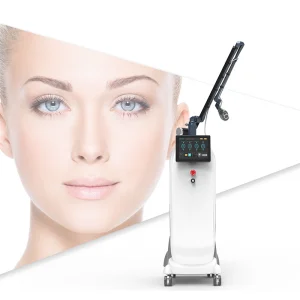
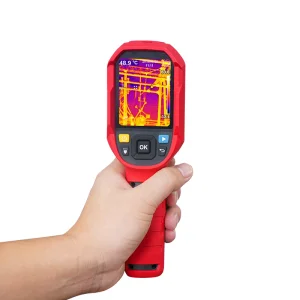
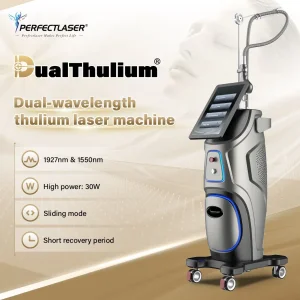
Broaden your professional inventory with premium medical skincare, advanced diagnostic systems, and targeted clinical machines.
 Menuka Medical