Menuka Medical
Bangkok's Cosmeceutical Revolution: An In-Depth Industry Whitepaper
Unveiling the clinical scientific pathways, localized regional applications, and macro supply chains governing skin barrier repair formulations in Bangkok and the broader Southeast Asian zone.
1. Executive Summary & The Scientific Imperative
The human skin barrier, primarily localized in the stratum corneum, functions as the primary physiological shield against environmental stress, water loss, and pathogenic invasion. In the tropical urban environment of Bangkok, Thailand, this biological barrier is subjected to a unique combination of extreme stressors: prolonged ultraviolet (UV) radiation, elevated humidity levels, and significant ambient particulate matter (PM2.5). These factors work synergistically to accelerate trans-epidermal water loss (TEWL), trigger sub-clinical micro-inflammation, and disrupt the delicate lipid matrix of the skin.
For brands, clinical dermatologists, and formulation laboratories operating in Bangkok, securing highly stable, biologically active barrier repair ingredients is no longer merely a cosmetic preference—it is a physiological necessity. This paper explores the macro-economic landscapes, raw material science, and strategic supply chain ecosystems that enable Bangkok-based brands to formulate world-class skin barrier restoration systems using ingredients supplied by globally recognized innovators like Jiangsu Menuka Medical Co., Ltd.
2. Bangkok's Localized Market Context & The Tropics Formula Challenge
Bangkok has long established itself as the cosmetic manufacturing powerhouse of Southeast Asia. However, formulating products for this demographic poses severe technical challenges. Traditional occlusive barrier repair agents (such as heavy petrolatum or dense waxes) fail in hot and humid climates, causing pore occlusion, localized acne flares, and unacceptable sensory profiles.
The local search and consumer purchasing intent in Bangkok has decisively pivoted toward lightweight, high-penetration, bio-compatible barrier agents. Ingredients must possess rapid absorption characteristics while providing a microscopic protective breathable matrix. This has elevated the demand for bio-fermented actives (such as Squalane and Bifida Ferment Lysate) and high-purity natural extracts (such as Madecassoside) that stabilize the skin's lipid envelope without adding greasy weight.
3. Biochemical Mechanics of Barrier Restoration
An damaged barrier is characterized by a depletion of critical lipids (ceramides, cholesterol, free fatty acids) and a breakdown in cellular communication peptides. Our technical pipeline targets three core stages of barrier rehabilitation:
- Lipid Matrix Replenishment: Direct application of ultra-pure Phytosphingosine (the biological backbone of ceramides) and Lanolin derivatives to seal intercellular voids.
- Microbiome Modulation: Supplying probiotic-derived filtrates (Saccharomycopsis Ferment Filtrate, Bifida Ferment Lysate) to support beneficial cutaneous microflora, which synthesize natural antimicrobials and lactic acid.
- Cellular Signaling: Utilizing advanced tri-peptides and copper peptides (GHK-Cu) to stimulate the synthesis of collagen, elastin, and structural proteins that anchor the basement membrane.
Looking for premium medical-grade active raw materials in Bangkok?
Get a Custom Formulation Proposal →4. Global & Local Supply Chain Dynamics: The Bangkok Hub
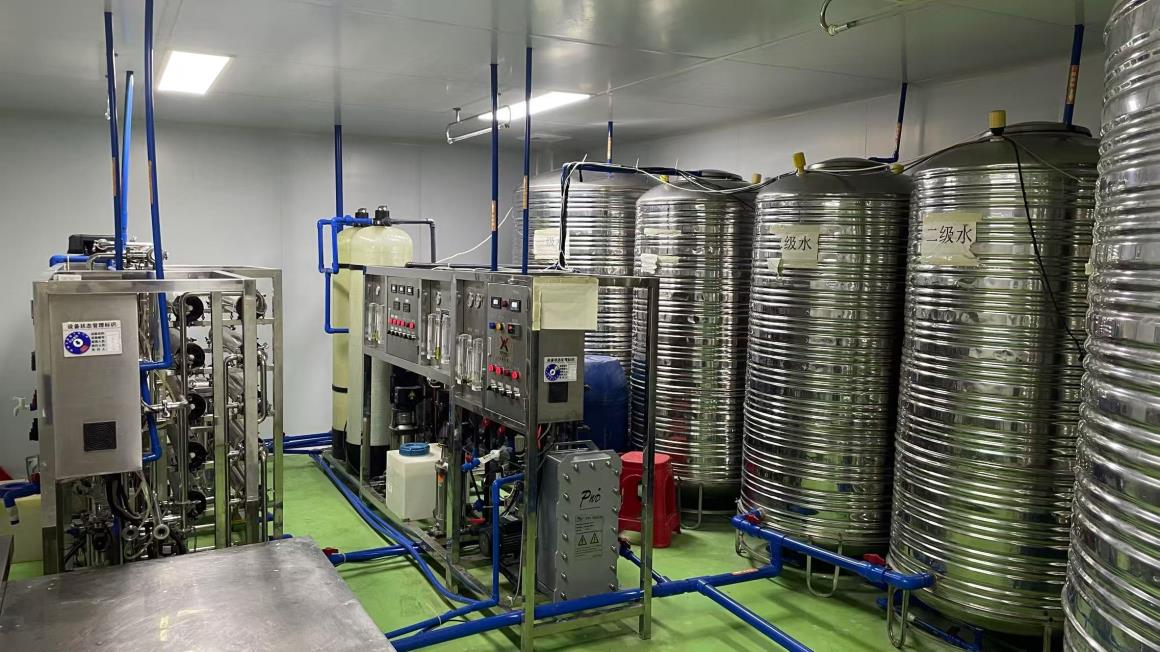
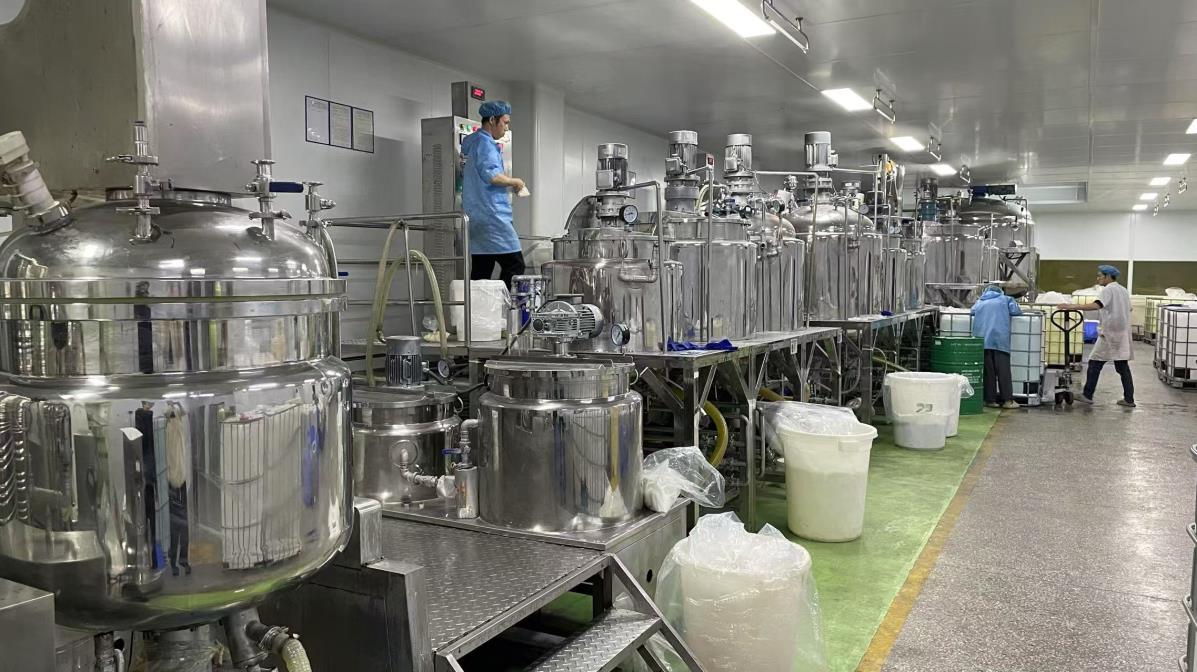
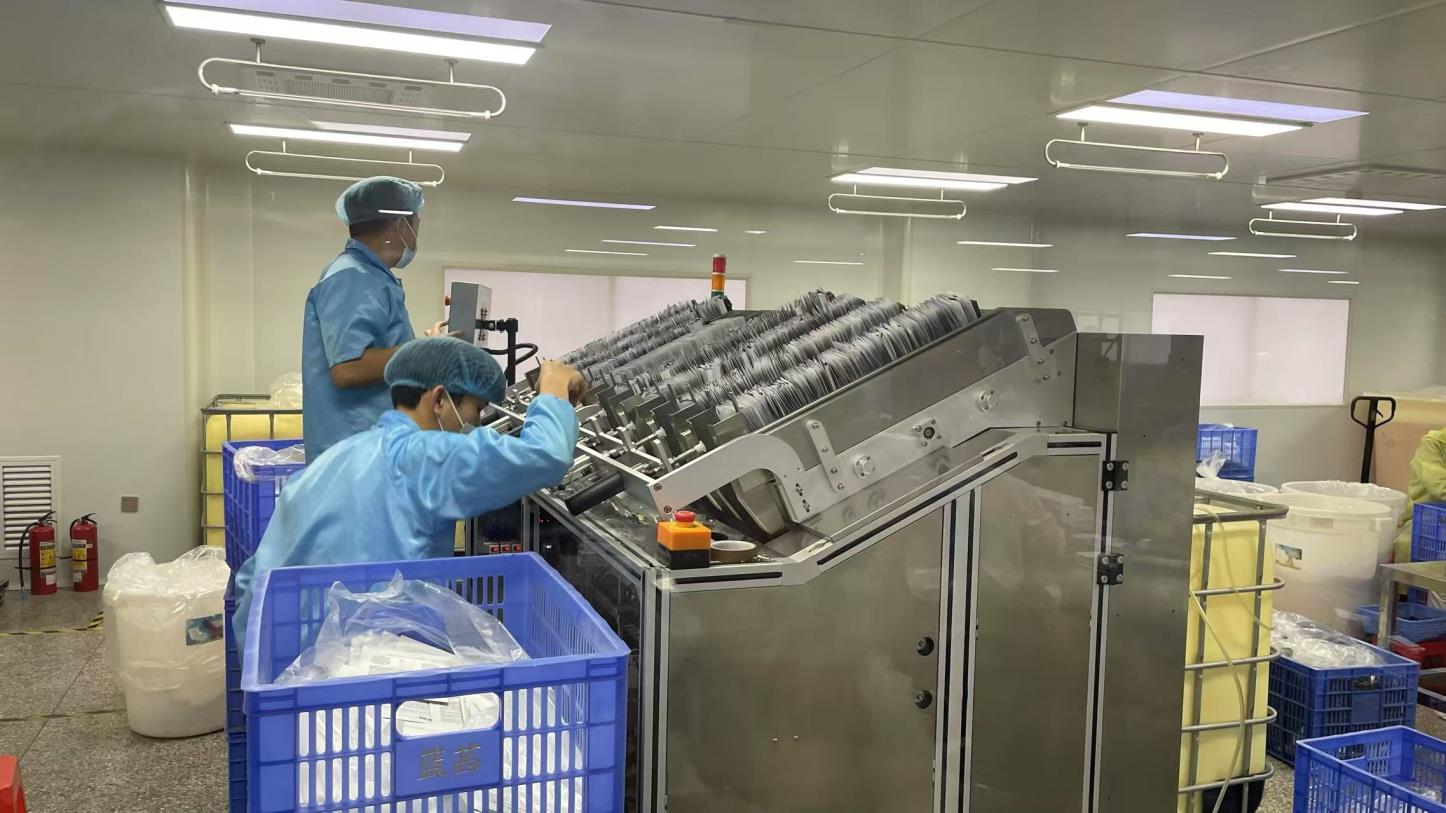
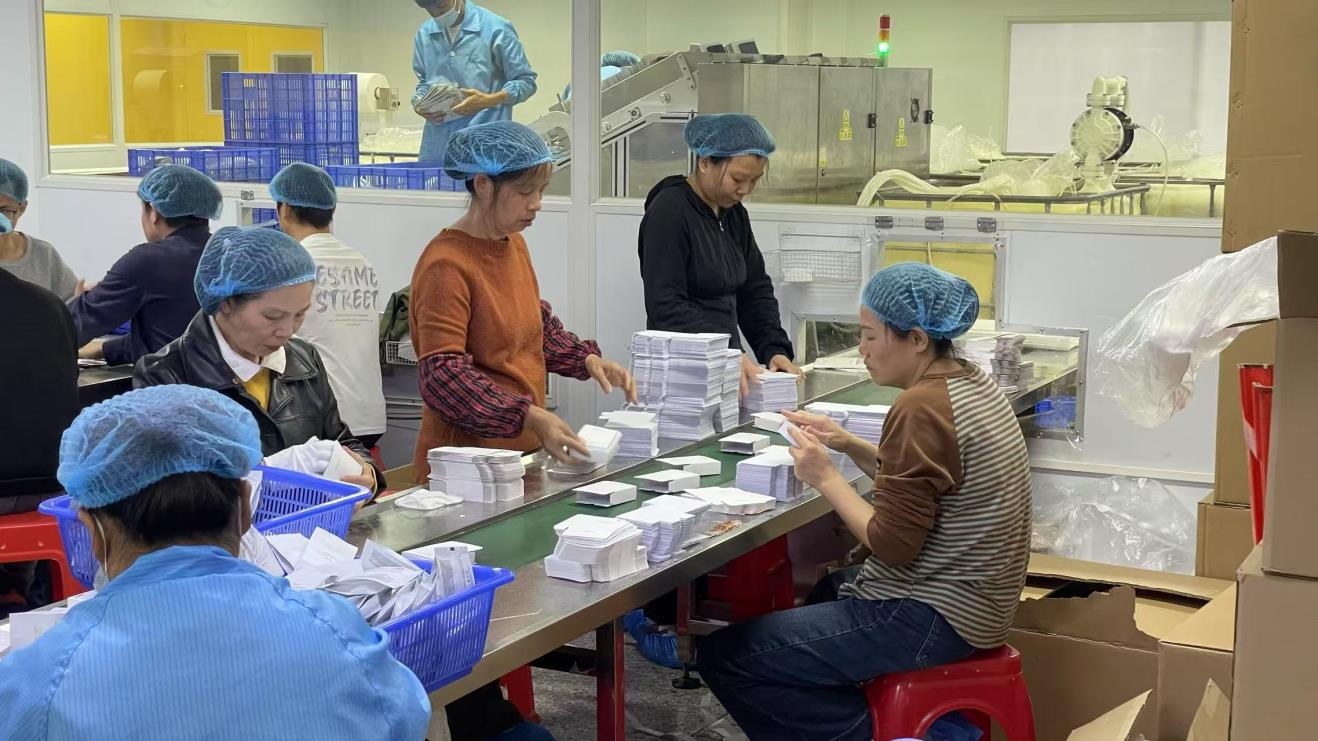
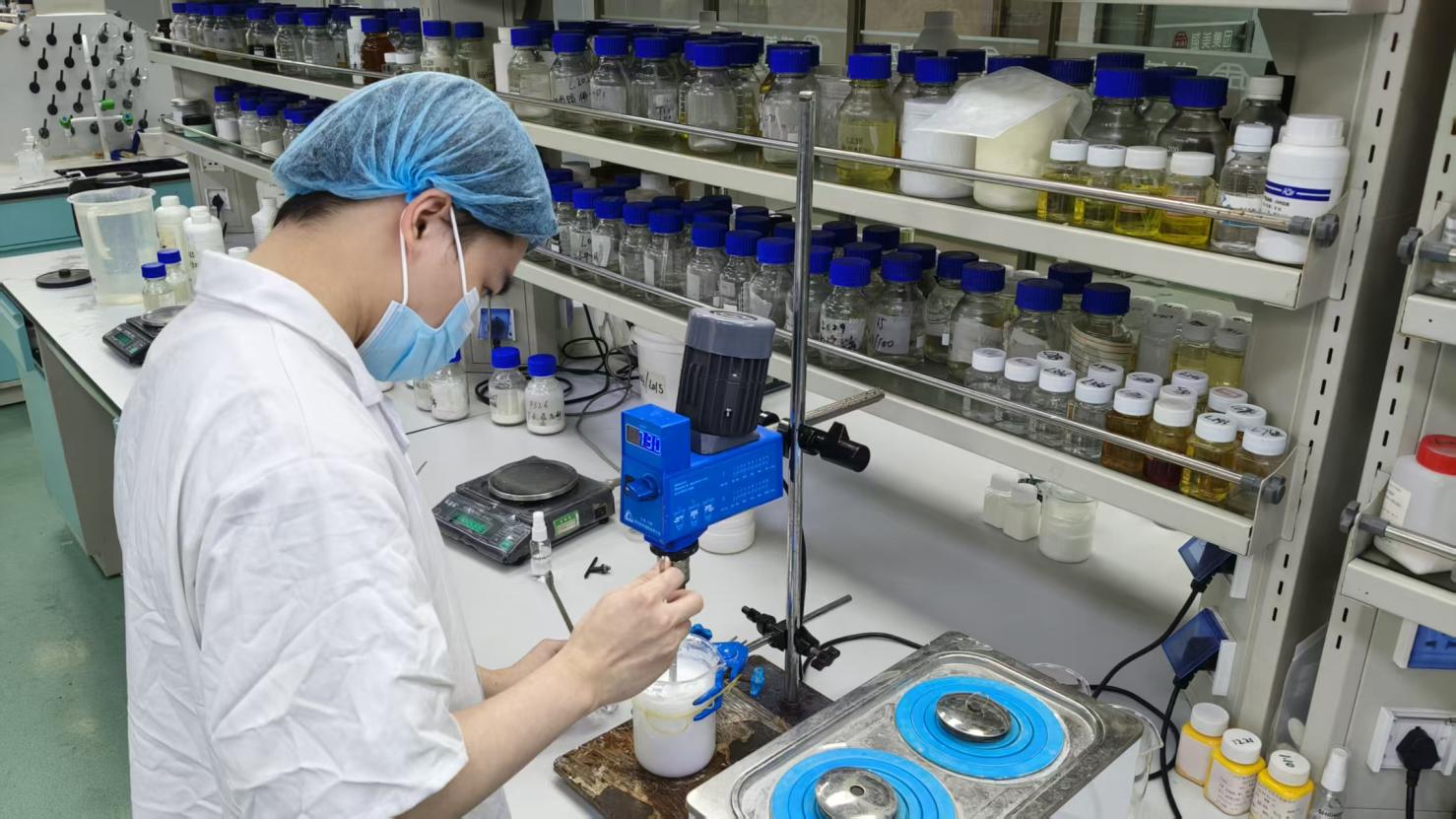
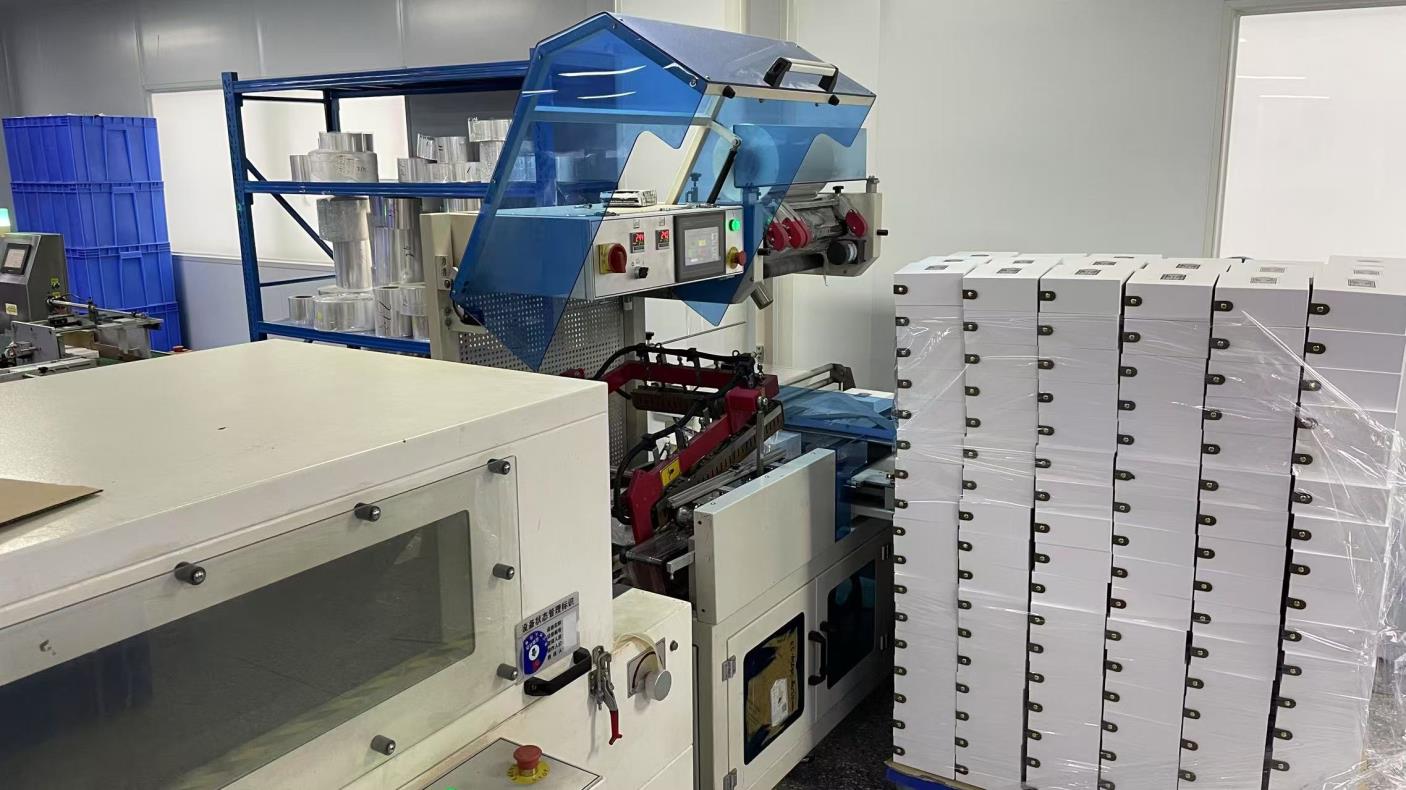
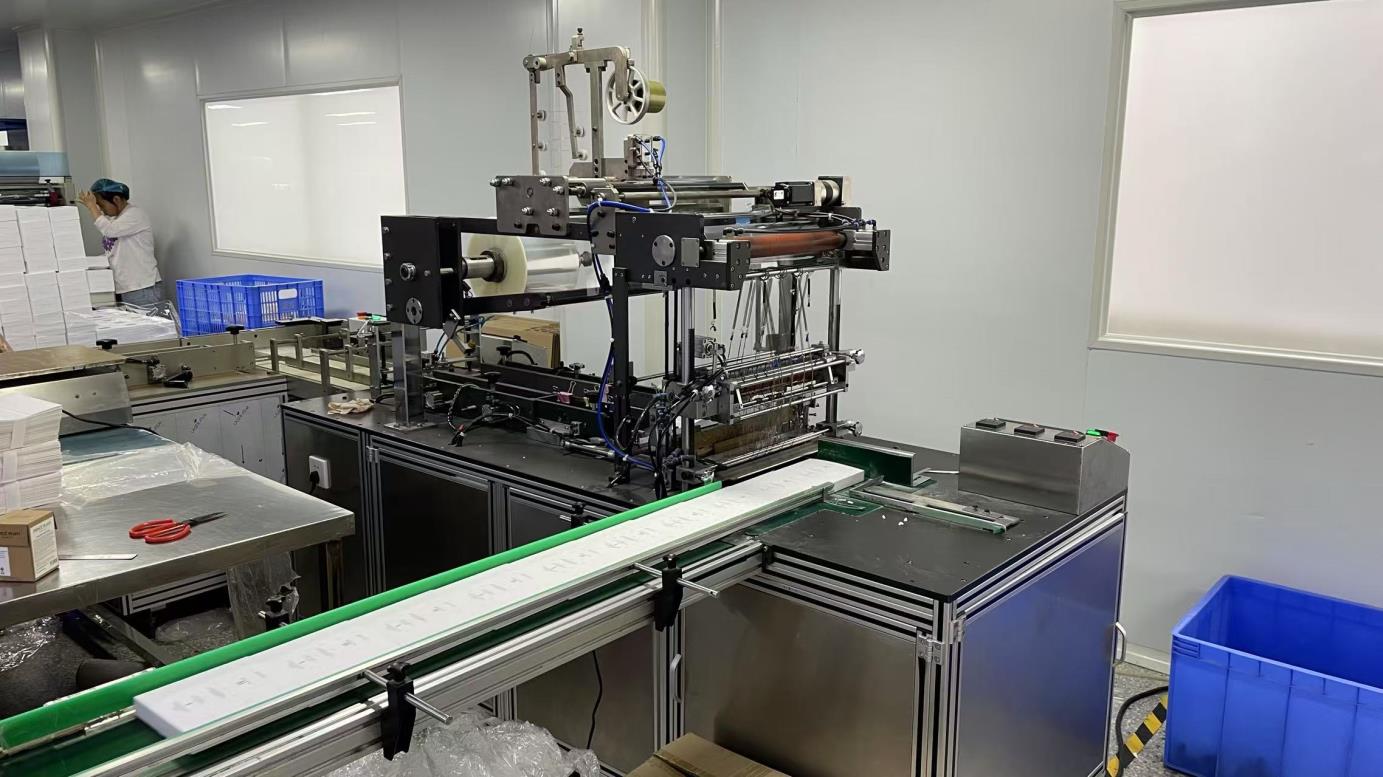
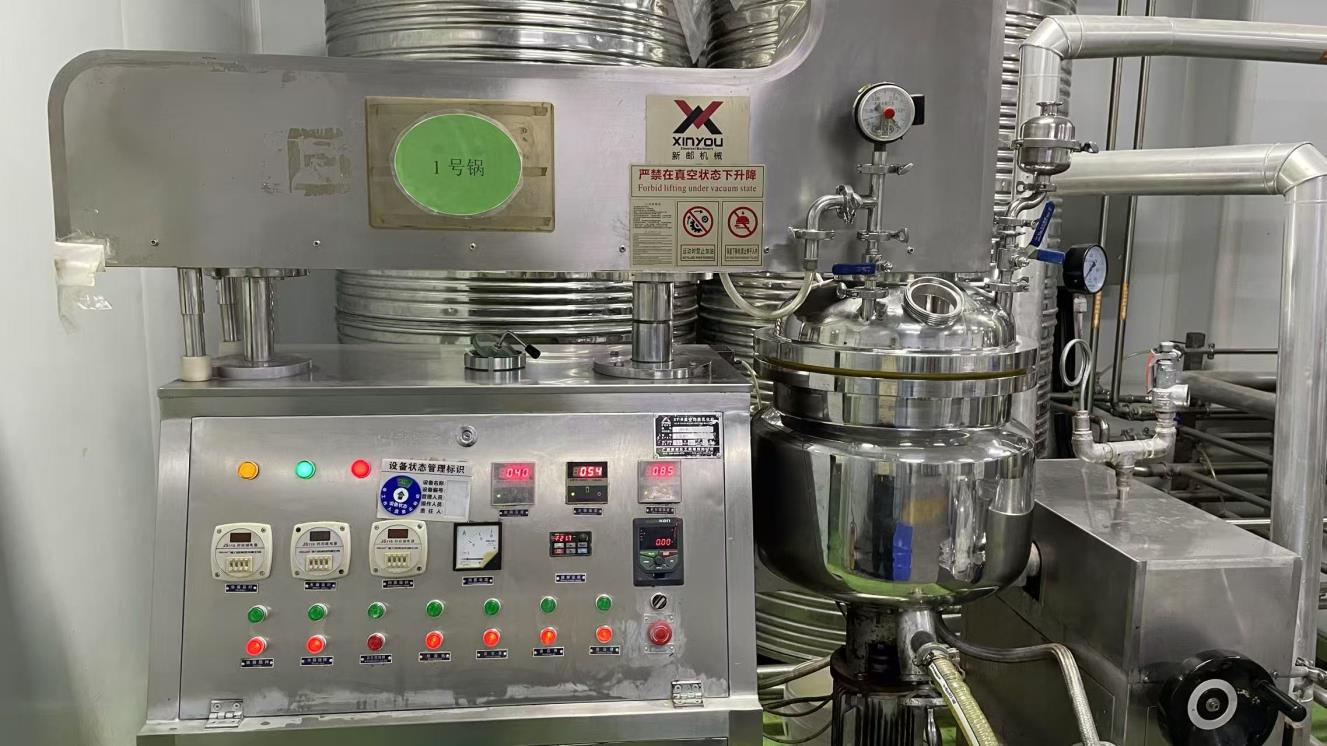
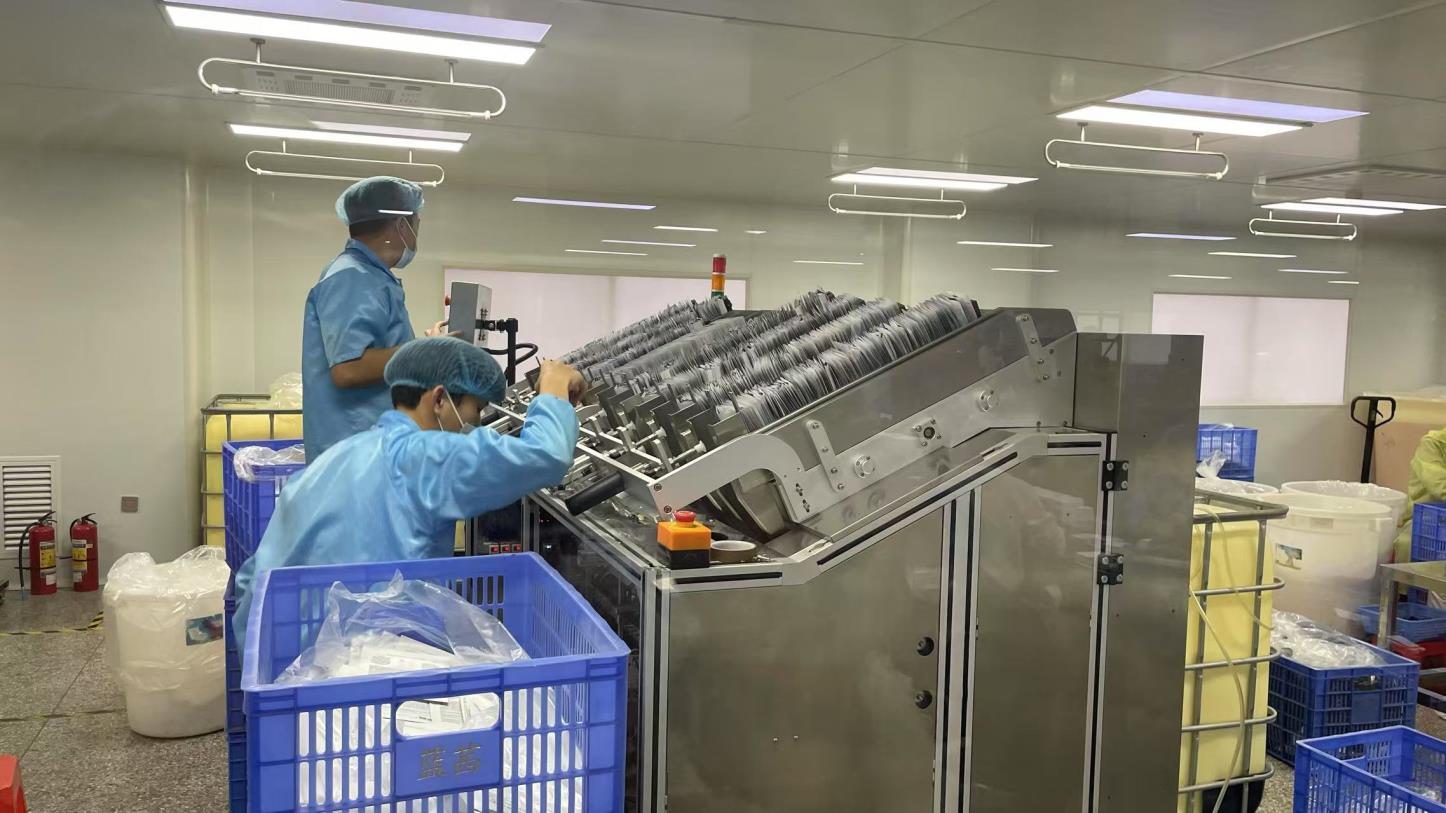
As a major logistical gateway, Bangkok’s cosmetics factories operate with just-in-time raw material requirements. Working with an international manufacturer like Jiangsu Menuka Medical Co., Ltd. guarantees that local formulators have access to steady clinical batches. Menuka’s rigorous production standards, including pure medical-grade water purification and cleanroom filling processes, integrate perfectly with local regulatory guidelines enforced by the Thai FDA.