Menuka Medical
1 / 5

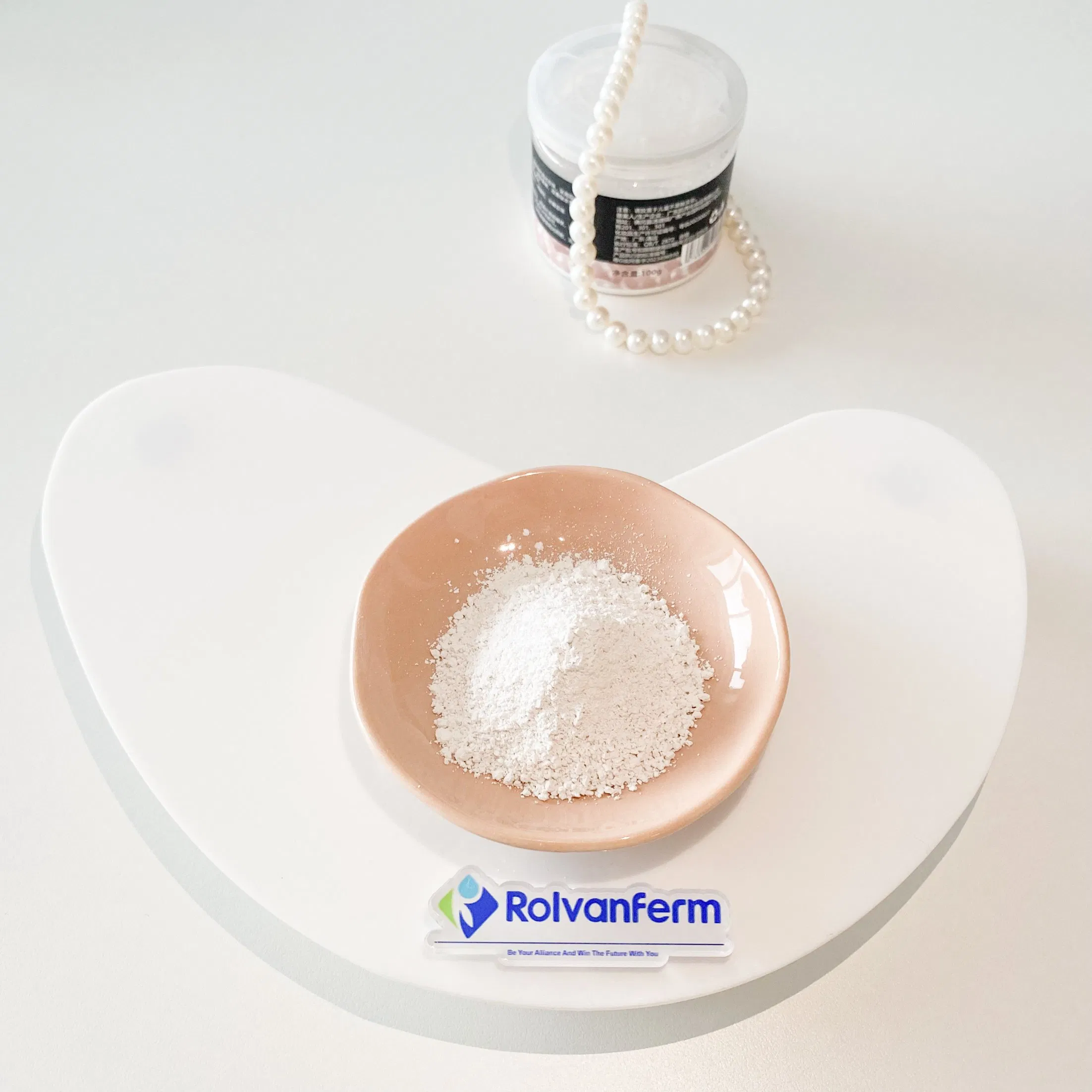
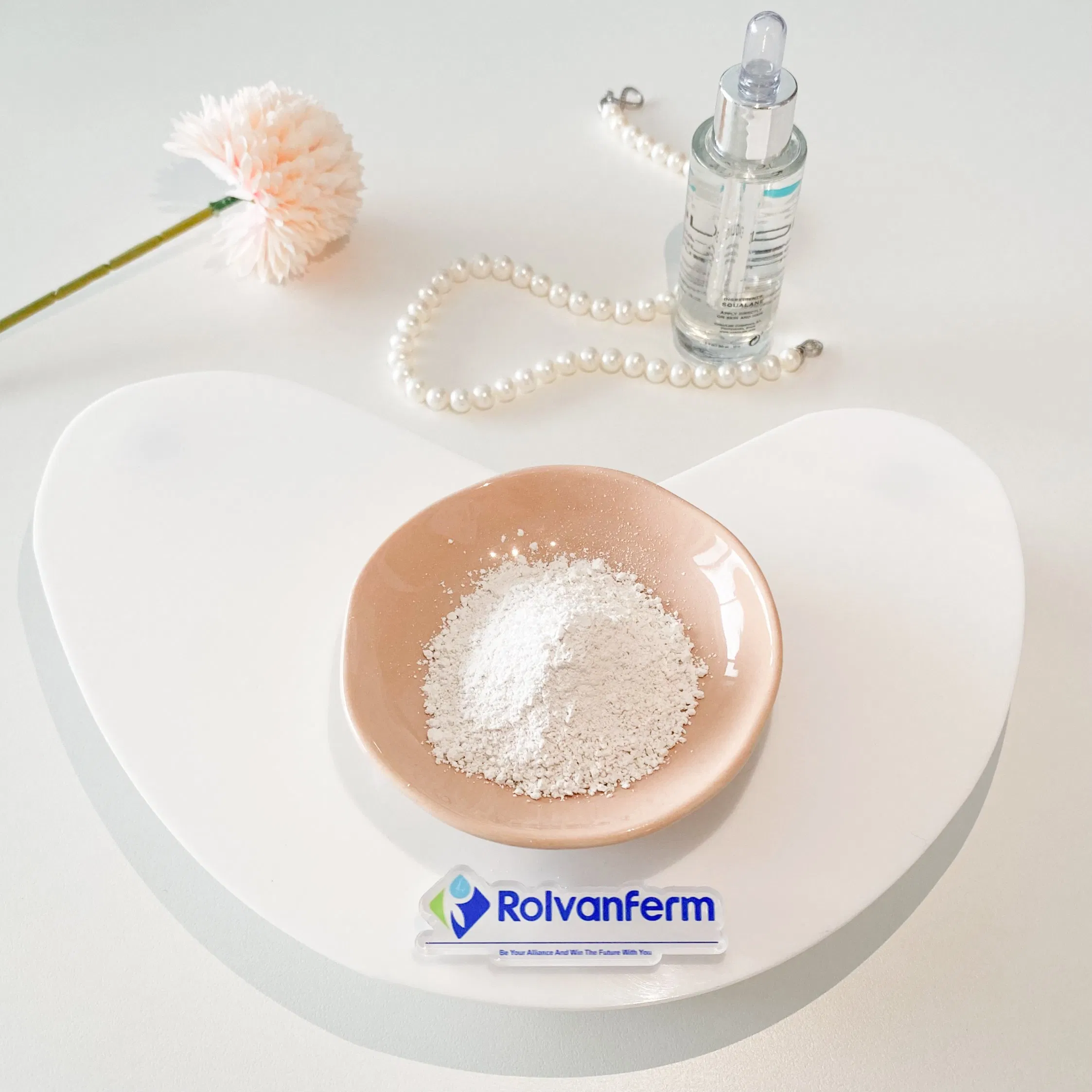
| Product | Bifida Ferment Lysate | CAS Number | 96507-89-0 |
| EINECS | 306-168-4 | Purity | ≥99% |
| Grade | Cosmetic Grade | Solubility | Insoluble in Water |
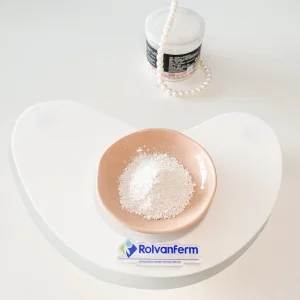
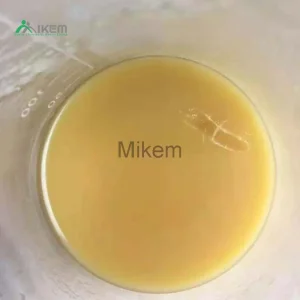
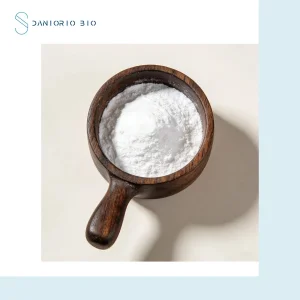
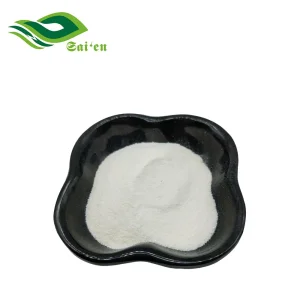
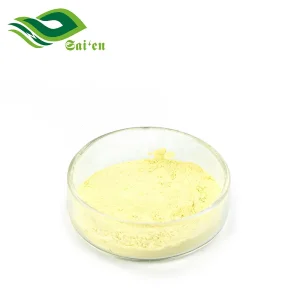
| Appearance | Crystalline powder / Liquid | Certificate | ISO9001 / Halal / Kosher |
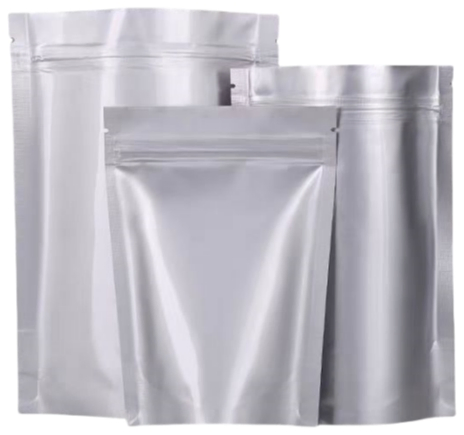
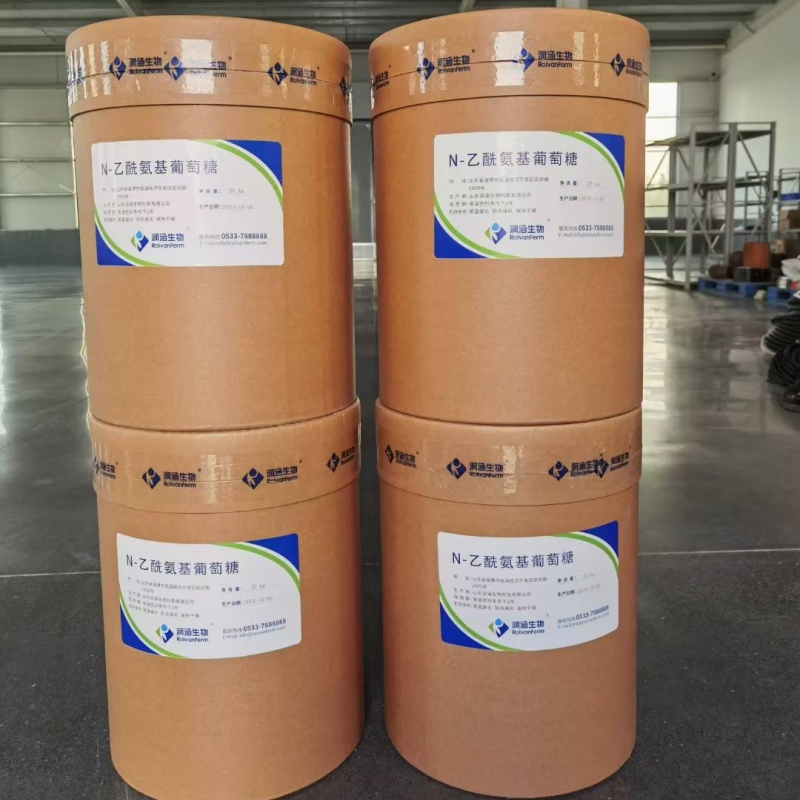
| Valid Period | 24 Months | Packaging | 25 kg/drum |
Bifida Ferment Lysate is a bioactive ingredient derived from the fermentation and subsequent lysis of Bifidobacterium, a genus of beneficial probiotic bacteria commonly found in the human gut and skin microbiome. The production process typically involves cultivating Bifidobacterium in a controlled environment, then breaking down the bacterial cells (lysis) to release their internal contents, including polysaccharides, peptides, vitamins, minerals, and other metabolites.
This lysate is valued for its biocompatibility and multifunctional properties, as it retains the beneficial compounds of the original probiotic while being more stable and easier to incorporate into various formulations. Unlike intact probiotic bacteria, Bifida Ferment Lysate does not require specific conditions to maintain viability, making it a versatile ingredient in industries focused on health and beauty.
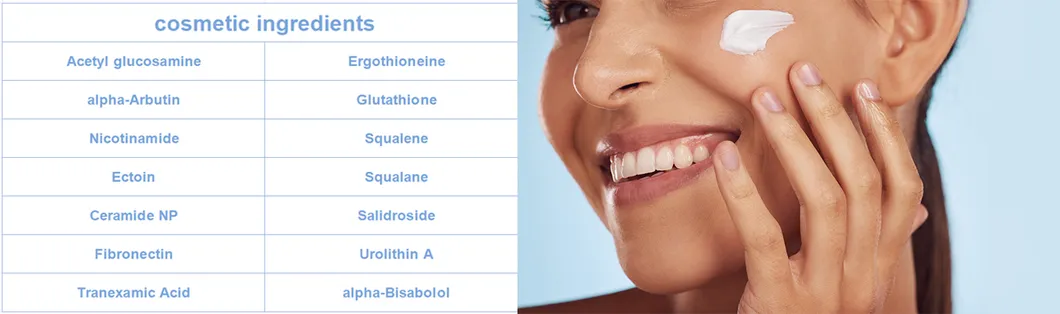
The primary application of Bifida Ferment Lysate lies in the cosmetics and skincare industry, where it is widely used in products such as serums, creams, masks, and toners. It is celebrated for its ability to support skin barrier function by enhancing the production of lipids and proteins (like filaggrin) that strengthen the skin's protective layer, thereby reducing moisture loss and improving resistance to environmental stressors such as pollution and UV damage.
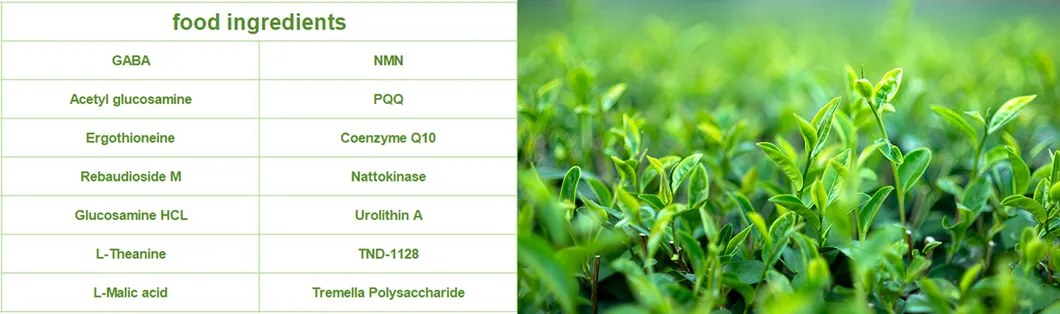
Additionally, it exhibits soothing properties, making it suitable for sensitive or irritated skin by calming inflammation and redness. Beyond skincare, Bifida Ferment Lysate is also being explored in the field of nutraceuticals, where its potential to support gut health and immune function is under investigation, though its cosmetic applications remain the most established and commercially prevalent.